Chicago Bathroom Remodeling Pros - Services - Smart Bathroom Technology
Bathroom Remodeling Pros Serving Chicago, IL Neighborhoods
Smart Bathroom Technology
Smart technology can add meaningful comfort, convenience, safety, monitoring, and control to a Chicago bathroom remodel, but homeowners should distinguish practical upgrades from features that are primarily luxury or novelty. The most useful technologies typically address everyday needs: leak detection, digital shower controls, smart lighting, occupancy sensors, humidity sensors, and programmable heated floors. These can improve water monitoring, temperature control, moisture management, lighting, and heating schedules.
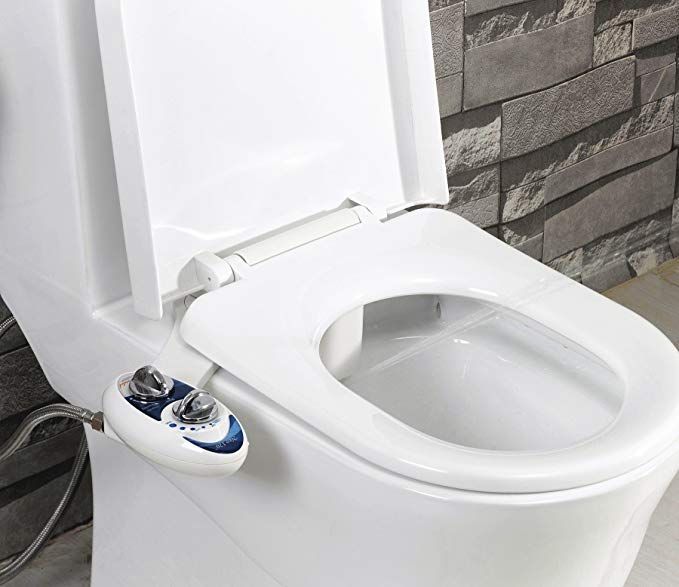
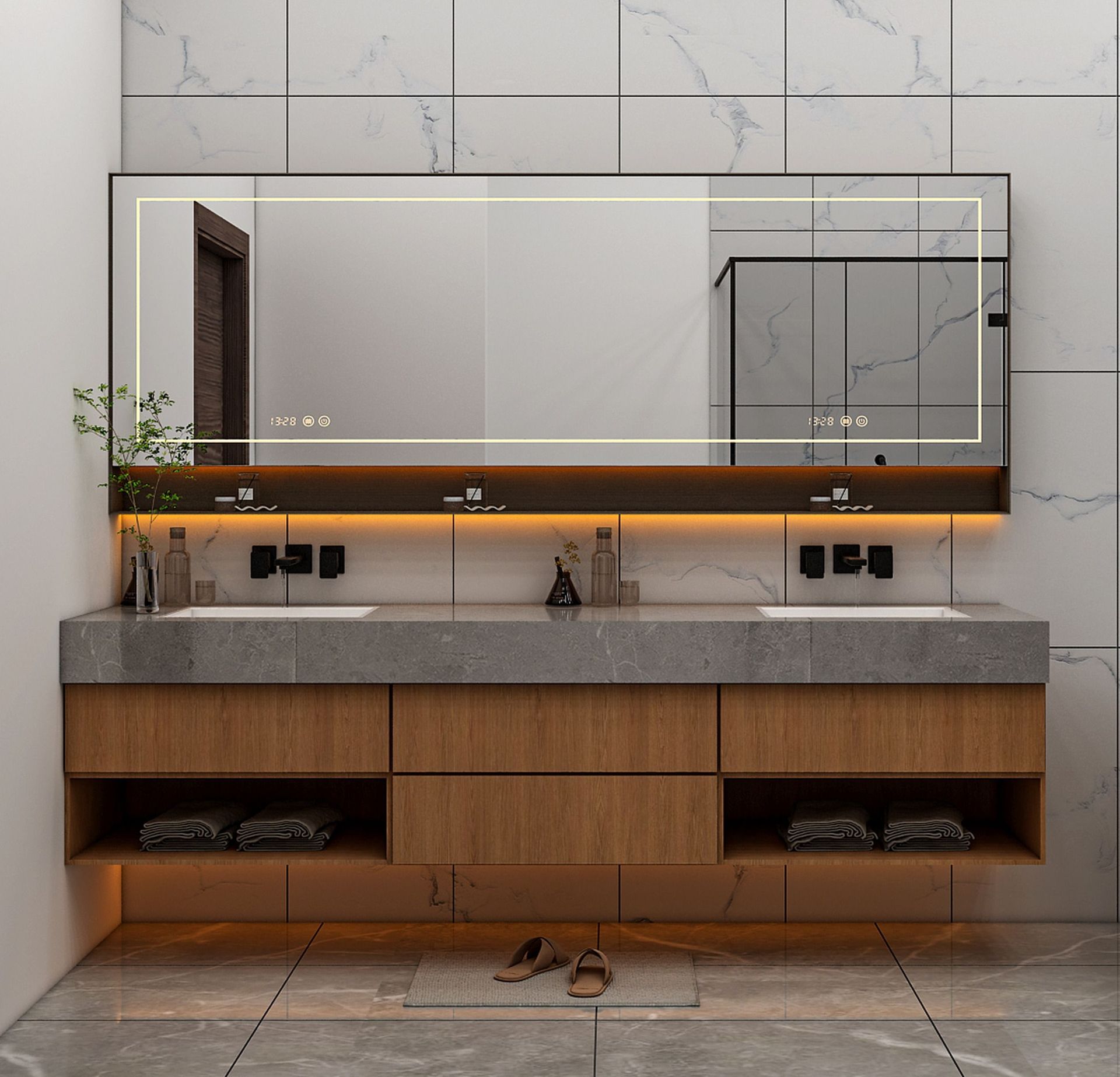
Smart toilets and bidet seats can provide practical hygiene and accessibility benefits, while heated toilet seats and smart mirrors can add comfort and convenience. Smart showers may be valuable when precise temperature and water control are desired. Bluetooth/audio systems are generally lifestyle enhancements rather than essential improvements. Choosing technology based on actual household needs, reliability, maintenance, and long-term usefulness helps ensure smart features enhance the bathroom rather than simply add unnecessary complexity.
Smart Bathroom Technology in Chicago Residences
Adding or upgrading smart bathroom technology involves replacing conventional fixtures or controls with connected, digitally controlled, or sensor-based systems designed to improve comfort, convenience, safety, monitoring, and control. Homeowners can incorporate smart toilets, bidet seats, digital shower controls, leak detection, smart lighting, occupancy sensors, humidity sensors, smart mirrors, programmable heated floors, and other technologies based on their needs.
The process involves evaluating
existing electrical capacity, plumbing, Wi-Fi connectivity, device compatibility, and available installation locations. Some systems require new wiring, dedicated circuits, plumbing modifications, or coordinated controls. During a larger bathroom remodel, smart technology can be integrated before walls, tile, cabinetry, and other finishes are completed. In older Chicago homes and condominiums, existing infrastructure and building requirements may affect feasibility, while electrical, plumbing, or mechanical permits may be required depending on the work.
Smart Bathroom Technology: Features, Options and Types
Smart bathroom technology can be customized to improve comfort, convenience, safety, hygiene, monitoring, and control. Homeowners can select individual features rather than installing a complete smart system, allowing technology to match the bathroom’s design, budget, lifestyle, and practical needs.
Smart toilets and bidet seats can include heated seats, integrated washing, drying, automatic flushing, night lighting, and other convenience features. These options can be particularly useful for accessibility, hygiene, and luxury bathrooms.
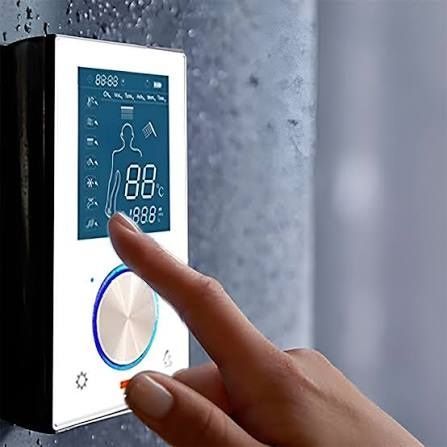
Smart showers and digital shower controls can provide precise temperature settings, programmable preferences, digital displays, and coordinated shower functions. Homeowners can customize controls and presets based on individual preferences and household use.
Practical monitoring features include leak detection, humidity sensors, smart lighting, and occupancy sensors. These can help identify potential water issues, manage bathroom moisture, automate lighting, and improve convenience while reducing unnecessary operation.
Programmable heated floors, heated toilet seats, and smart mirrors primarily provide comfort and convenience. Bluetooth or integrated audio systems are generally lifestyle enhancements rather than essential improvements, allowing homeowners to determine whether the added technology provides meaningful value.
Homeowners can customize device selection, control locations, temperature settings, lighting scenes, shower presets, sensor placement, heating schedules, and system integration. Technology can be coordinated with plumbing, electrical, ventilation, cabinetry, mirrors, and accessibility features. In older Chicago homes, existing electrical capacity, plumbing, Wi-Fi connectivity, and building requirements should be evaluated before installation.
Problems Solved by Smart Bathroom Technology
Smart bathroom technology can address inconvenience, inconsistent temperature control, unnecessary energy use, moisture concerns, and limited monitoring. Digital shower controls can provide more precise temperature settings, while programmable heated floors, smart lighting, and occupancy sensors can improve comfort and control.
Practical technologies such as leak detection and humidity sensors can help homeowners identify potential water problems or excessive moisture. Smart toilets, bidet seats, and accessible controls can improve convenience and usability. Other features, including Bluetooth audio and advanced mirrors, primarily address lifestyle preferences rather than essential bathroom problems. Selecting technology based on actual needs can prevent unnecessary complexity and maintenance.
Our Smart Bathroom Technology Installation Process
Installing smart bathroom technology begins with identifying the homeowner’s priorities and evaluating which devices provide practical value. The process should be coordinated with plumbing, electrical, lighting, ventilation, and other remodeling work.
1. Evaluate Existing Conditions: Electrical capacity, outlets, plumbing connections, Wi-Fi connectivity, ventilation, and available installation locations are reviewed.
2. Select Technology: Homeowners choose appropriate features such as smart toilets, bidet seats, digital shower controls, leak detection, smart lighting, occupancy sensors, humidity sensors, smart mirrors, or programmable heated floors.
3. Plan Connections: Electrical circuits, plumbing connections, controls, sensors, and device locations are coordinated with the bathroom layout. Applicable permits are identified for electrical, plumbing, mechanical, or other regulated work.
4. Complete Rough-In: Required wiring, outlets, plumbing connections, mounting points, and control components are installed before walls, tile, cabinetry, or other finishes are completed.
5. Install and Configure: Smart fixtures and devices are installed, connected, programmed, and integrated with controls or compatible home systems.
6. Test and Inspect: Devices, sensors, controls, water connections, lighting, heating, and ventilation are tested to confirm proper operation before the bathroom is completed and placed into regular use.
Smart Bathroom Technology in Chicago and Older Homes
Smart bathroom technology can modernize Chicago’s older homes while preserving their architectural character. Greystones, Victorians, bungalows, vintage apartments, and condominiums may require evaluation of existing wiring, electrical capacity, plumbing, Wi-Fi connectivity, and building systems before installation. High-rise condominiums may have additional restrictions. Thoughtful planning allows smart toilets, leak detection, digital shower controls, sensors, lighting, and heated floors to be integrated without unnecessary disruption.
Smart Bathroom Technology FAQs
1. How much does smart bathroom technology cost?
Costs vary by technology and installation complexity. Basic sensors or smart lighting may require less investment, while smart toilets, digital showers, heated floors, wiring, and integrated systems can increase costs.
2. Does smart bathroom technology require permits?
Some installations may require permits. Electrical circuits, wiring, plumbing modifications, heated flooring, or mechanical work may require permits and inspections depending on the project scope and applicable Chicago requirements.
3. How long does smart technology installation take?
Simple devices can be installed quickly, while integrated systems take longer. New wiring, plumbing connections, dedicated circuits, programming, and coordination with other remodeling work can extend the schedule.
4. Can smart technology be added to an existing bathroom?
Yes, many smart features can be retrofitted. Smart lighting, leak detection, humidity sensors, smart mirrors, bidet seats, and certain controls may be added without a complete bathroom remodel.
5. Is smart technology feasible in an older Chicago home?
Usually, but existing systems should be evaluated first. Older wiring, limited electrical capacity, plumbing conditions, Wi-Fi connectivity, and building construction may affect which smart features can be installed.
6. Are smart bathroom features worth the investment?
The value depends on how the homeowner uses the bathroom. Leak detection, humidity sensors, digital shower controls, smart lighting, and programmable heating can provide practical benefits, while audio and advanced mirrors may be primarily lifestyle upgrades.