Chicago Bathroom Remodeling Pros - Services - Custom Tile Installation
Bathroom Remodeling Pros Serving Chicago, IL Neighborhoods
Custom Tile Installation
Custom tile installation can define the appearance, durability, and character of a Chicago bathroom. Homeowners can choose from porcelain, ceramic, natural stone, glass, mosaic, large-format, and specialty tile for floors, shower walls, niches, backsplashes, accent walls, and other surfaces.
Tile can be selected to preserve the character of a historic greystone, bungalow, two-flat, Victorian, or vintage apartment, or to create a contemporary look in a townhome or condominium. Design choices include tile size, color, texture, pattern, grout, layout, trim, and accent details. Proper installation also requires careful substrate preparation, waterproofing, drainage coordination, and attention to transitions and movement.
Whether the goal is historic preservation, transitional design, or contemporary luxury, professionally planned custom tile installation can create a durable, visually cohesive bathroom that supports both everyday use and long-term appeal.
Custom Tile Installation in Chicago Residences
Custom tile installation involves selecting, designing, and installing tile specifically for the bathroom’s layout, architectural character, performance requirements, and homeowner preferences. Unlike using a standard, predetermined tile arrangement, custom installation allows homeowners to choose tile materials, sizes, patterns, colors, textures, grout, borders, niches, and accent areas for floors, shower walls, backsplashes, and other surfaces.
Chicago homeowners often choose custom tile because it provides an opportunity to create a bathroom that is distinctive, durable, and appropriate for the home. A historic greystone, bungalow, Victorian, or two-flat may call for traditional patterns and period-compatible materials, while a modern condominium may benefit from large-format porcelain, minimalist layouts, or sophisticated stone-look surfaces.
Tile selections can also address practical concerns. Porcelain and ceramic are popular for durability and moisture resistance, while natural stone, mosaics, glass tile, and specialty products provide additional design options. Large-format tile can reduce grout lines and create a more continuous appearance, which can be especially effective in smaller bathrooms.
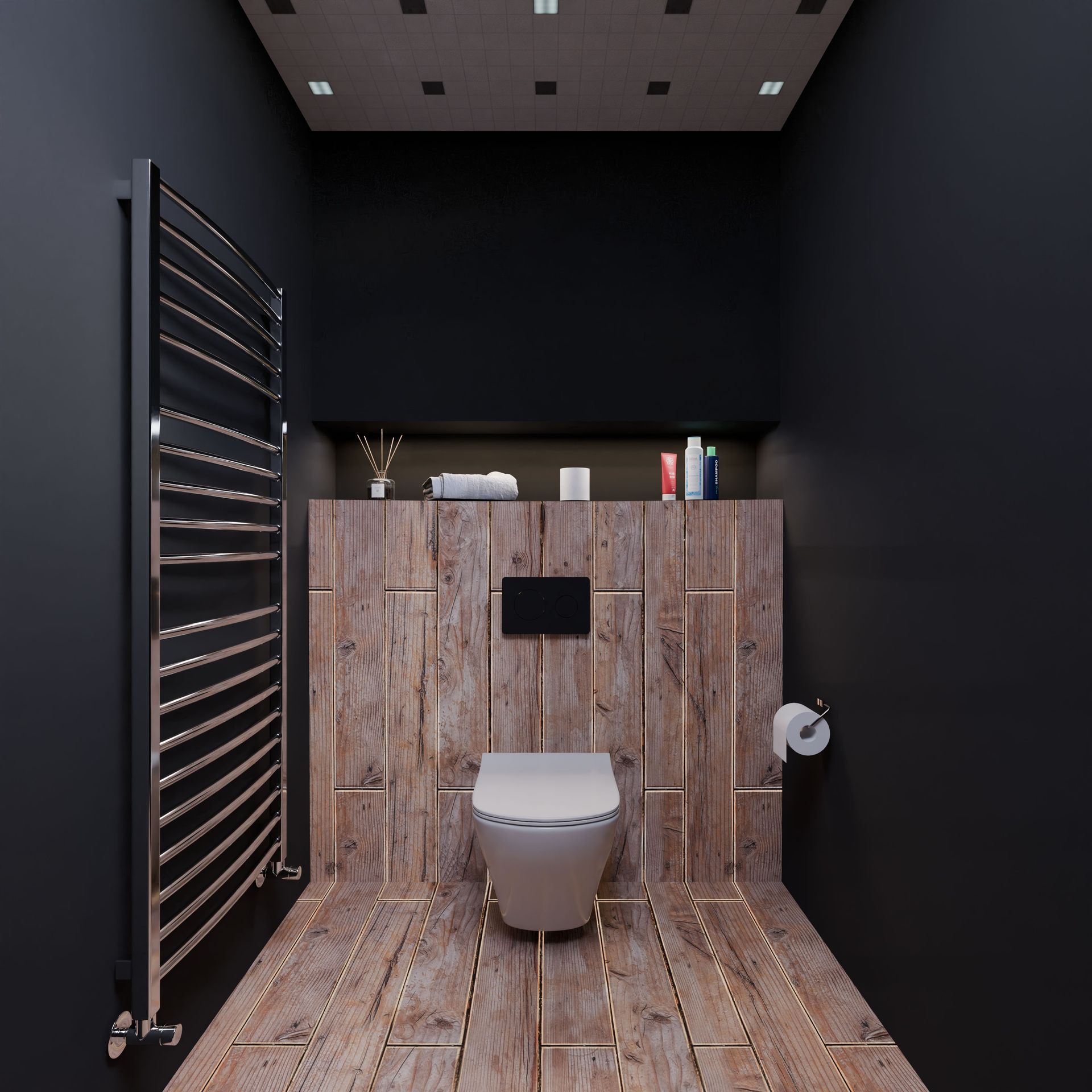
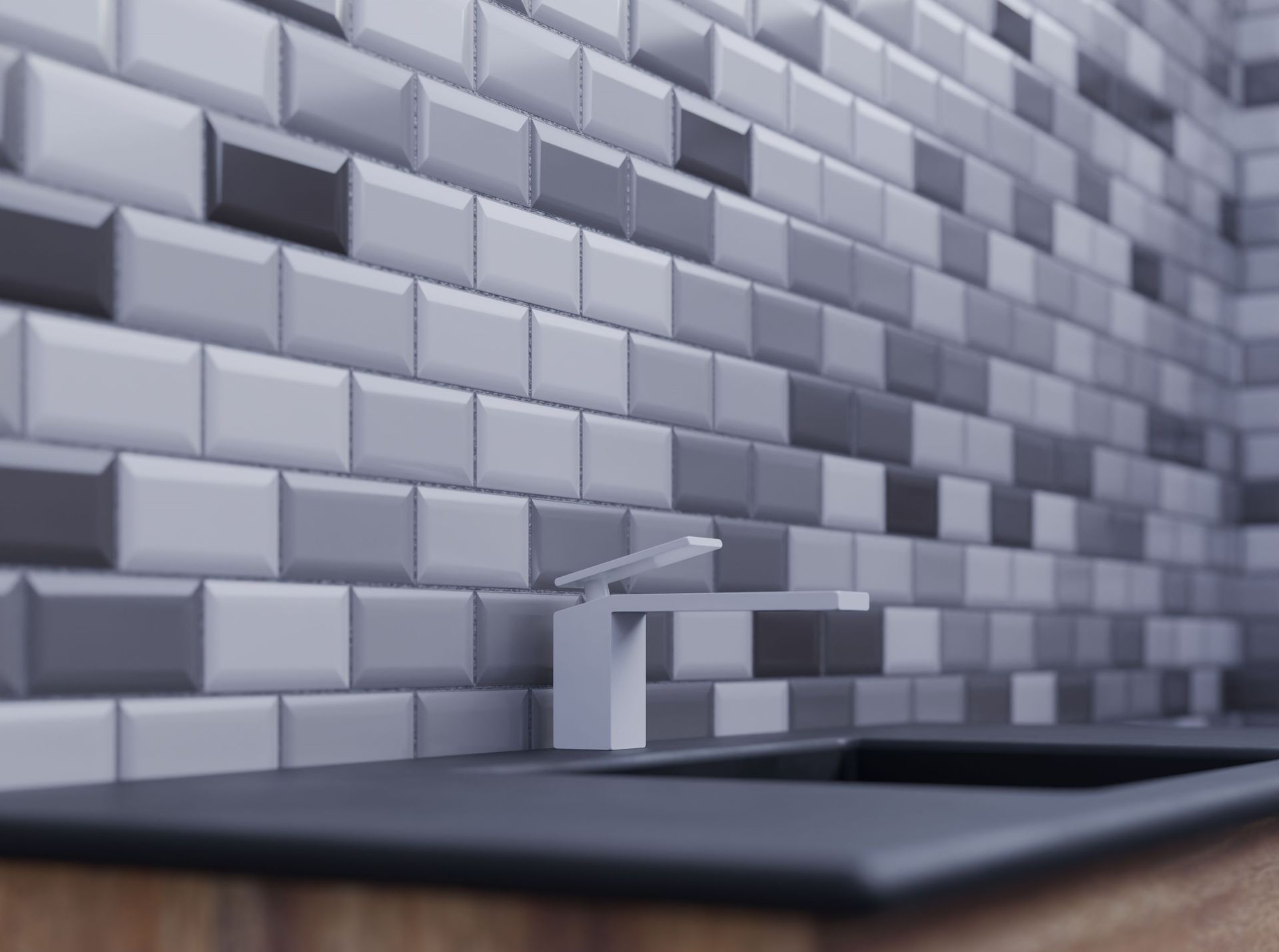
Proper installation is equally important. Surface preparation, waterproofing, layout, drainage coordination, movement considerations, grout selection, and transitions all contribute to long-term performance. A well-planned custom tile installation can therefore improve
appearance, durability, maintenance, and architectural compatibility while creating a bathroom that reflects the homeowner’s personal style.
Custom Tile Installation Process
Custom tile installation begins with planning and design. The bathroom is measured, existing conditions are evaluated, and the tile size, material, pattern, grout, trim, and installation areas are selected. Shower walls, floors, niches, backsplashes, and transitions are planned before materials are ordered.
Surface preparation follows. Existing tile and damaged materials are removed as needed, and substrates are inspected for level, stability, moisture damage, and structural concerns. Floors and walls are repaired or prepared to provide a suitable surface for installation.
Waterproofing is essential in showers and other wet areas. Appropriate waterproofing systems are installed around shower floors, walls, niches, benches, corners, and transitions before finished tile is applied.
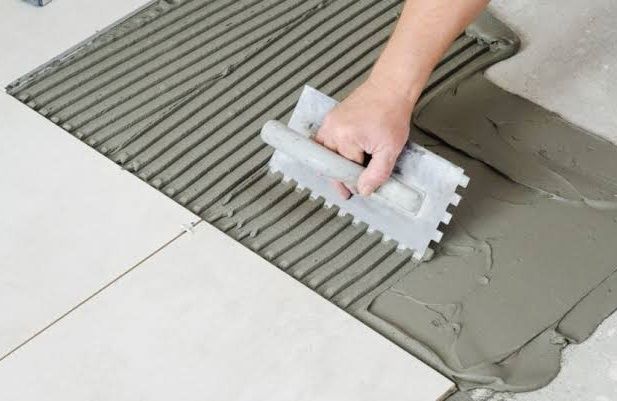
Tile layout and installation then begin. Tile is measured, cut, positioned, and installed according to the approved pattern. Special attention is given to grout lines, corners, plumbing penetrations, drains, edges, and transitions to create a consistent appearance.
Grouting and finishing complete the installation. Grout is applied, surfaces are cleaned, and appropriate trim, caulking, and sealing are completed where required. Final inspection checks alignment, coverage, transitions, grout quality, and overall appearance before the finished bathroom is turned over to the homeowner.
Custom Tile Installation Remodeling Considerations
The cost of custom tile installation depends on the size of the area, tile material, tile format, pattern complexity, surface preparation, waterproofing, specialty cuts, grout, trim, and other finish selections. Large-format, natural stone, intricate patterns, and custom layouts may require additional labor and preparation.
The timeline depends on the project scope, tile availability, substrate preparation, waterproofing, layout complexity, and curing times. Existing conditions can affect both cost and scheduling, particularly when removing old tile reveals damaged substrates, moisture issues, uneven surfaces, or deteriorated framing.
Permits may be required when tile work is part of a larger project involving plumbing relocation, electrical upgrades, structural modifications, or mechanical work. Homeowners should also confirm requirements for condominium and building projects.
Proper material selection should consider durability, moisture exposure, maintenance, slip resistance, architectural character, and overall design goals to achieve a lasting installation.
Custom Tile Installation
Custom tile installation allows Chicago homeowners to coordinate tile size, material, pattern, color, grout, and placement around the bathroom’s dimensions, design style, moisture exposure, maintenance needs, and architectural character. The right combination can improve durability while creating a cohesive, polished bathroom.
Tile Sizes
Tile size affects visual scale, installation flexibility, grout coverage, and the suitability of a surface for floors, showers, niches, and decorative applications. Smaller tiles provide flexibility, while larger formats create cleaner, more continuous surfaces.
Mosaic
Best for shower floors, niches, borders, backsplashes, and decorative accents where smaller pieces provide flexibility around curves and drains.
Small Format
Well suited for shower floors, backsplashes, wainscoting, and vintage-inspired bathrooms requiring flexible layouts around corners and fixtures.
Standard Format
A versatile option for bathroom floors, shower walls, backsplashes, tub surrounds, and traditional or transitional bathroom designs.

Large Format
Ideal for shower walls, floors, and feature walls where fewer grout lines create a cleaner, more spacious appearance.
Extra-Large/Slab Format
Best suited for luxury shower walls, feature walls, vanity backsplashes, and high-end bathrooms seeking dramatic surfaces with minimal grout lines.
Tile Materials
Tile material affects price, durability, maintenance, appearance, and appropriate applications. Costs vary by product, quality, finish, availability, and installation complexity, so selection should match both design goals and expected bathroom use.
Porcelain
Mid- to premium-priced and highly versatile, porcelain works well for bathroom floors, shower walls, large-format applications, and wet areas.
Ceramic
Generally budget-friendly and available in many colors and patterns, ceramic is popular for shower walls, backsplashes, and decorative applications.
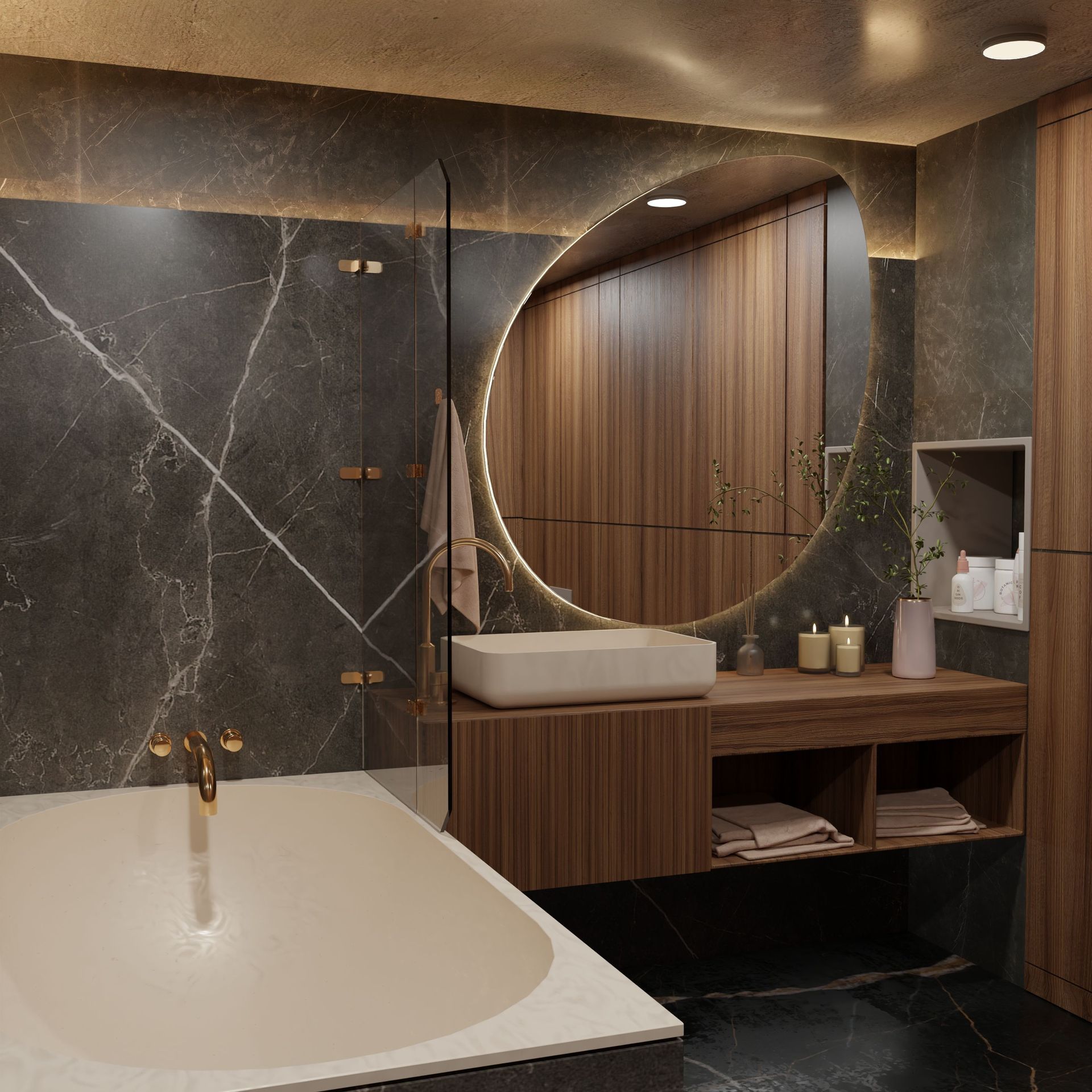
Marble
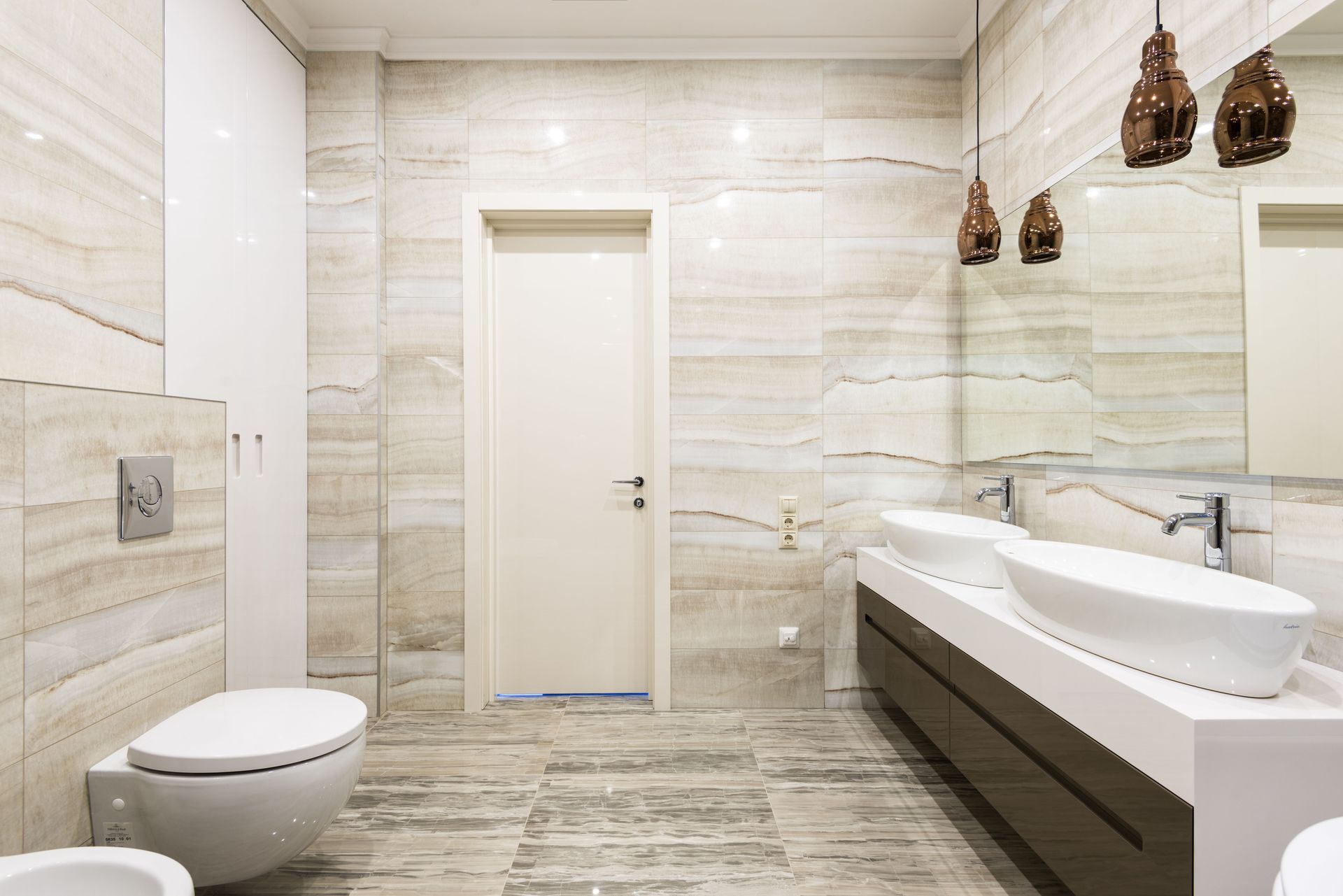
Premium-priced and naturally distinctive, marble is commonly selected for luxury floors, shower walls, niches, backsplashes, and elegant feature surfaces.
Granite
Mid- to premium-priced, durable granite works well for floors, accent applications, vanity surrounds, and areas requiring substantial natural-stone character.
Limestone
Mid- to premium-priced limestone provides a softer natural appearance and suits bathroom floors, accent walls, and spa-inspired designs when properly maintained.
Travertine
Typically mid-range to premium, travertine works well for floors, walls, backsplashes, and traditional bathrooms seeking warm, textured natural-stone character.
Glass
Mid-range to premium depending on the product, glass tile is popular for backsplashes, niches, borders, accent walls, and decorative shower details.
Natural Stone
Pricing varies widely by stone, with premium options for luxury floors, shower walls, feature walls, and applications emphasizing natural variation and texture.
Cement/Encaustic
Generally mid-range to premium, cement and encaustic tile are popular for decorative floors, backsplashes, and character-focused bathrooms with patterned designs.

Specialty Tiles
Costs range from moderate to premium, with handmade, textured, metallic, artisan, and specialty products best used for accents, niches, backsplashes, and feature areas.
Tile Applications
Different bathroom surfaces call for different tile characteristics. Choosing the right tile for each application can improve durability, maintenance, appearance, safety, and installation performance.
Shower Walls
Porcelain, ceramic, large-format porcelain, natural stone, and glass tile are popular choices for durable, decorative shower wall installations.
Shower Floors
Mosaic and small-format porcelain or ceramic are commonly preferred because they accommodate slopes and provide numerous grout joints.
Bathroom Floors
Porcelain is especially popular for bathroom floors because it combines durability, moisture resistance, broad design options, and relatively easy maintenance.
Accent Walls
Large-format porcelain, marble-look tile, natural stone, textured tile, and specialty products work well for creating dramatic focal walls.
Niches
Mosaic, small-format, glass, and contrasting accent tile work well inside niches because they accommodate compact dimensions and add decorative detail.
Backsplashes
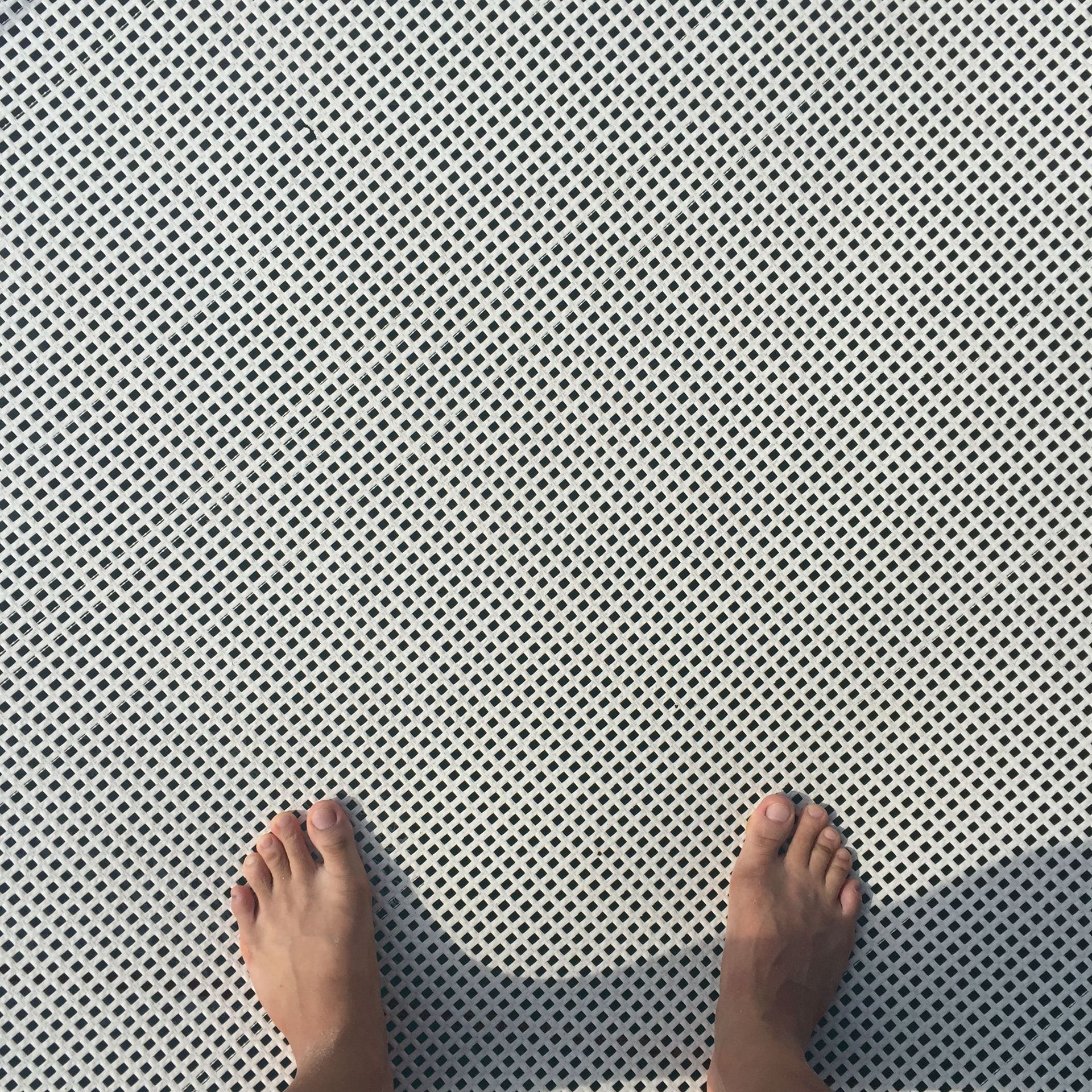
Ceramic, porcelain, glass, mosaic, and specialty tile are popular backsplash choices, offering flexibility for both subtle and decorative designs.
Wainscoting
Ceramic, porcelain, subway-style, and decorative tile work well for wainscoting in traditional, transitional, historic, and Classic Chicago bathrooms.
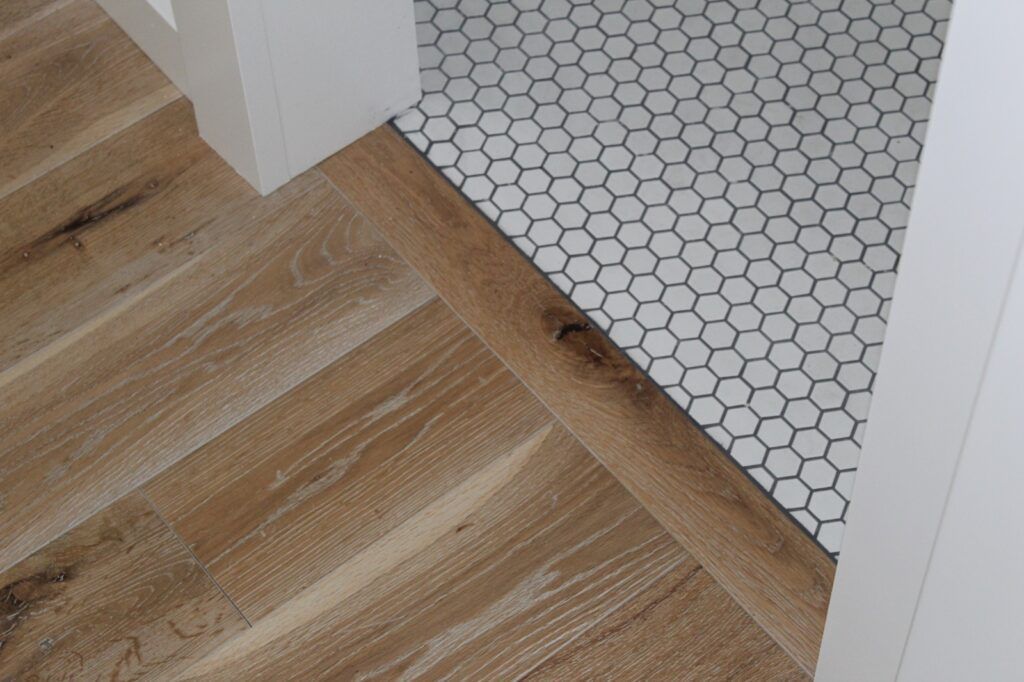
Transitions
Coordinate transitions between tile and adjoining flooring or surfaces to manage finished heights, appearance, accessibility, and potential trip hazards.
Drain Placement
Coordinate shower drain location with floor slope, tile dimensions, waterproofing, and the desired shower configuration before tile installation begins.
Pattern Matching
Align veining, graphics, directional patterns, or repeating designs across adjacent tiles to create a deliberate and visually cohesive finished installation.
Edge Treatments
Finish exposed tile edges with suitable trim, profiles, bullnose, stone, or other details that complement surrounding materials and provide a clean appearance.
Custom Tile Installation Considerations
Quality tile installation depends on more than selecting attractive materials. Proper preparation, layout, waterproofing, drainage, movement accommodation, and finishing details all contribute to long-term performance.
Substrate Preparation
Prepare walls and floors so surfaces are stable, sufficiently flat, clean, and suitable for proper tile adhesion and long-term performance.
Waterproofing
Install an appropriate waterproofing system in wet areas to protect framing, subfloors, and surrounding structures from moisture intrusion behind finished tile.
Layout
Plan tile placement before installation to coordinate patterns, cuts, grout lines, fixtures, niches, windows, and other visual elements.
Centering
Center visible tile patterns and focal features to create balanced compositions and avoid awkward, narrow cuts around highly visible areas.
Grout Joints
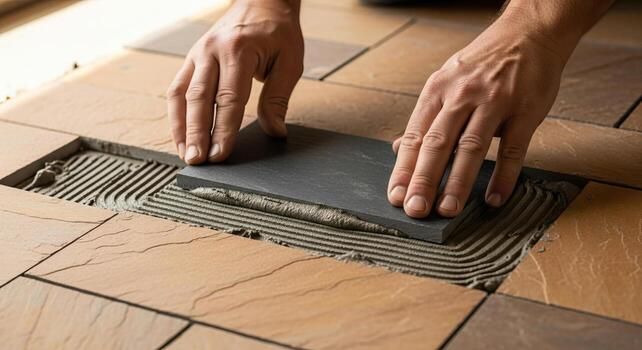
Select appropriate grout-joint sizes and colors based on tile requirements and desired appearance, maintaining consistent spacing throughout the installation.
Expansion/Movement
Allow for building movement and dimensional changes with appropriate movement joints and flexible transitions where required to reduce cracking and installation failure.
Custom Tile Installation FAQs
1. What tile size is best for a bathroom?
There is no single best tile size. Mosaic and small-format tiles work well for shower floors and detailed areas, while standard formats are versatile. Large-format tile is popular for floors and walls because fewer grout lines create a cleaner, more spacious appearance.
2. Is custom tile installation more expensive than standard tile installation?
It can be. Custom tile work may cost more because of material selection, intricate patterns, specialty cuts, substrate preparation, waterproofing, layout complexity, and detailed installation. Large-format, natural stone, specialty, and complex patterned tile can require additional labor and preparation compared with simpler installations.
3. Which tile materials are best for bathroom remodeling?
Porcelain is one of the most versatile choices. Ceramic, natural stone, marble, granite, limestone, travertine, glass, cement, encaustic, and specialty tiles can also be appropriate. The best material depends on the application, moisture exposure, maintenance preferences, architectural character, desired appearance, and project budget.
4. What tile works best for a shower floor?
Mosaic and small-format tile are commonly preferred. Smaller pieces make it easier to follow the required slope toward the drain and can provide numerous grout joints. Porcelain and ceramic are popular choices, while pebble-style natural stone and other specialty materials can provide distinctive visual and textural finishes.
5. Is large-format tile a good choice for a small bathroom?
Yes, in many cases. Large-format tile reduces grout lines and visual interruptions, which can make walls and floors appear more continuous and spacious. It does not increase actual square footage, but it can create a cleaner visual effect while reducing grout maintenance and supporting a contemporary design.
6. What areas of a bathroom can be custom tiled?
Almost any appropriately prepared surface can be tiled. Common applications include shower walls, shower floors, bathroom floors, backsplashes, niches, accent walls, tub surrounds, and wainscoting. Tile selection should be matched to the specific application, moisture exposure, surface conditions, maintenance requirements, and overall design.
7. What needs to happen before tile is installed?
Proper surface preparation must come first. The substrate should be stable, clean, and appropriately prepared, while wet areas require a suitable waterproofing system. Layout, drain placement, grout joints, transitions, movement considerations, pattern matching, and edge treatments should also be planned before installation begins.
8. How long does custom tile installation take?
The timeline varies by project. Bathroom size, tile format, material, pattern complexity, substrate preparation, waterproofing, specialty cuts, and curing requirements all affect installation time. Projects involving extensive demolition, repairs, or custom layouts may take longer than straightforward tile replacement with properly prepared surfaces.