Chicago Bathroom Remodeling Pros - Porcelain Tile vs Ceramic Tile
Bathroom Remodeling Pros Serving Chicago, IL Neighborhoods
Porcelain Tile vs Ceramic Tile
Which Tile Is Best for Your Bathroom Remodel?
Choosing the right tile is one of the most important decisions you'll make during a bathroom remodel. Your tile selection affects not only the appearance of your bathroom but also its durability, maintenance requirements, and long-term performance. Two of the most popular choices are porcelain tile and ceramic tile. While they may look similar, there are important differences that can influence which material is best for your project.
This guide compares porcelain and ceramic tile to help you make an informed decision.
Ceramic Tile
Porcelain Tile
At A Glance Comparison
| Feature | Porcelain Tile | Ceramic Tile |
|---|---|---|
| Durability | Excellent | Very Good |
| Water Resistance | Excellent | Very Good |
| Maintenance | Easy | Easy |
| Cost | Higher | Lower |
| Design Options | Excellent | Excellent |
| Scratch Resistance | Excellent | Good |
| Installation Difficulty | No | Moderate |
| Best for Shower Floors | Excellent | Natural Stone Patterns |
| Best for Bathroom Floors | Excellent | Very Good |
| Best for Bathroom Walls | Excellent | Excellent |
Porcelain Tile
Porcelain tile is manufactured using refined clay and fired at extremely high temperatures, producing a dense, durable, and highly water-resistant material. It has become one of the most popular choices for bathroom remodeling because it performs exceptionally well in moisture-prone environments.
Many porcelain products are designed to imitate marble, wood, concrete, slate, and other natural materials while offering easier maintenance.
Advantages of Porcelain Tile
- Extremely durable
- Highly water resistant
- Excellent for showers
- Ideal for bathroom floors
- Resistant to scratches and stains
- Easy to maintain
- Available in hundreds of colors and styles
- Excellent for high-traffic bathrooms
- Long service life
Porcelain Tile Pros & Cons
| Pros | Cons |
|---|---|
| Exceptional durability | Higher material cost |
| Superior moisture resistance | More difficult to cut |
| Excellent stain resistance | Installation often requires specialized tools |
| Great for floors and showers | Slightly higher installation costs |
| Wide variety of styles | Heavier than ceramic tile |
| Low maintenance | Premium products may have longer lead times |
| Excellent long-term value | Professional installation is highly recommended |
Ceramic Tile
Ceramic tile is also made from natural clay but is generally less dense than porcelain. It remains one of the most widely used bathroom materials because it offers an attractive appearance, reliable performance, and excellent value.
Ceramic tile is especially popular for bathroom walls, backsplashes, and decorative applications.
Advantages of Ceramic Tile
- Budget friendly
- Easy to maintain
- Lightweight
- Large selection of colors
- Easier to cut during installation
- Excellent for bathroom walls
- Wide variety of decorative styles
- Readily available
Ceramic Tile Pros & Cons
| Pros | Cons |
|---|---|
| Lower initial cost | Less dense than porcelain |
| Easier to install | Slightly more porous |
| Excellent for wall applications | More susceptible to chipping under heavy impact |
| Wide design selection | May wear faster in high-traffic areas |
| Lightweight | Not always the best choice for heavy-use shower floors |
| Easy to replace individual tiles | Some products are less durable than porcelain |
| Good overall value | Premium ceramic may approach porcelain pricing |
Appearance
Porcelain Tile
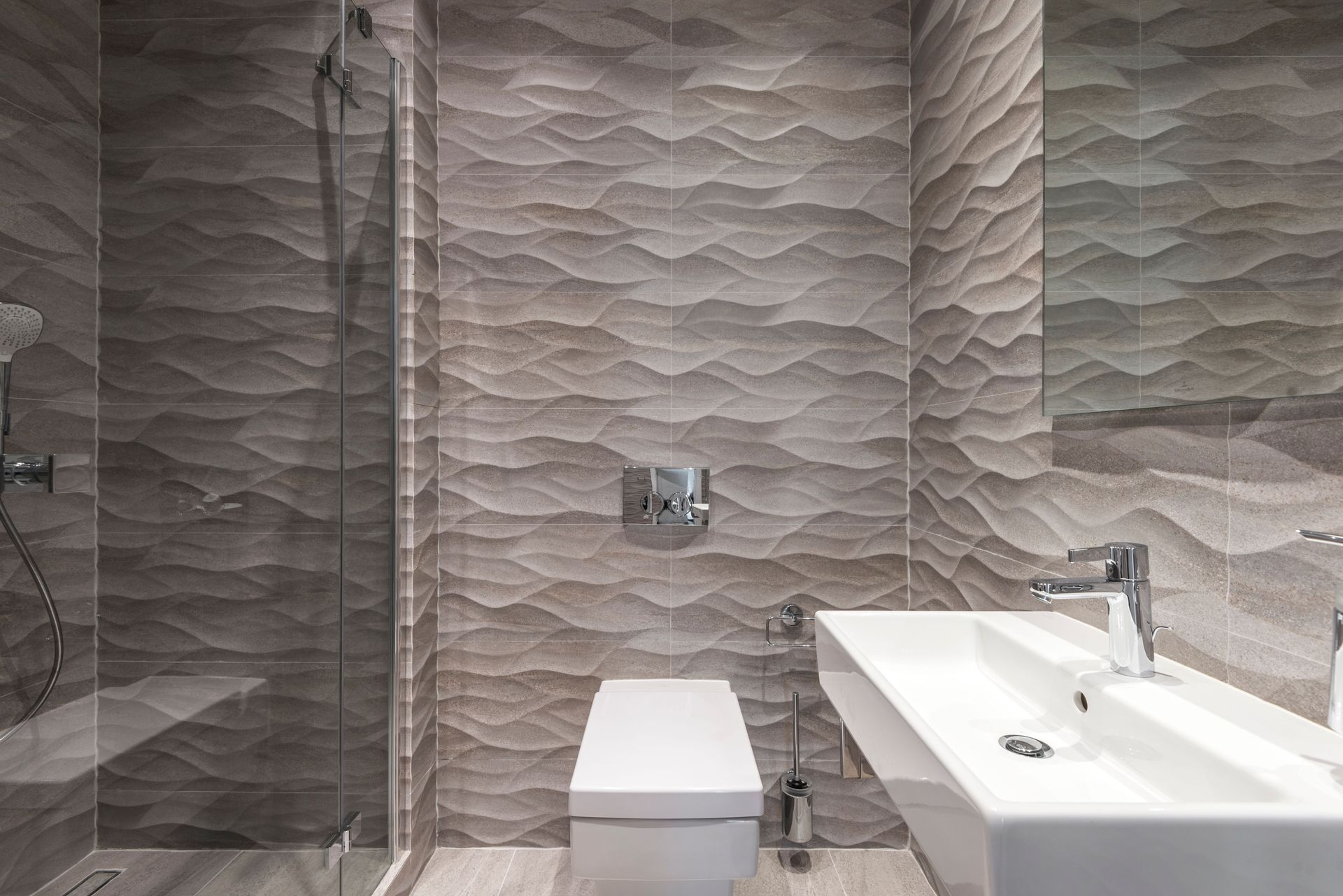
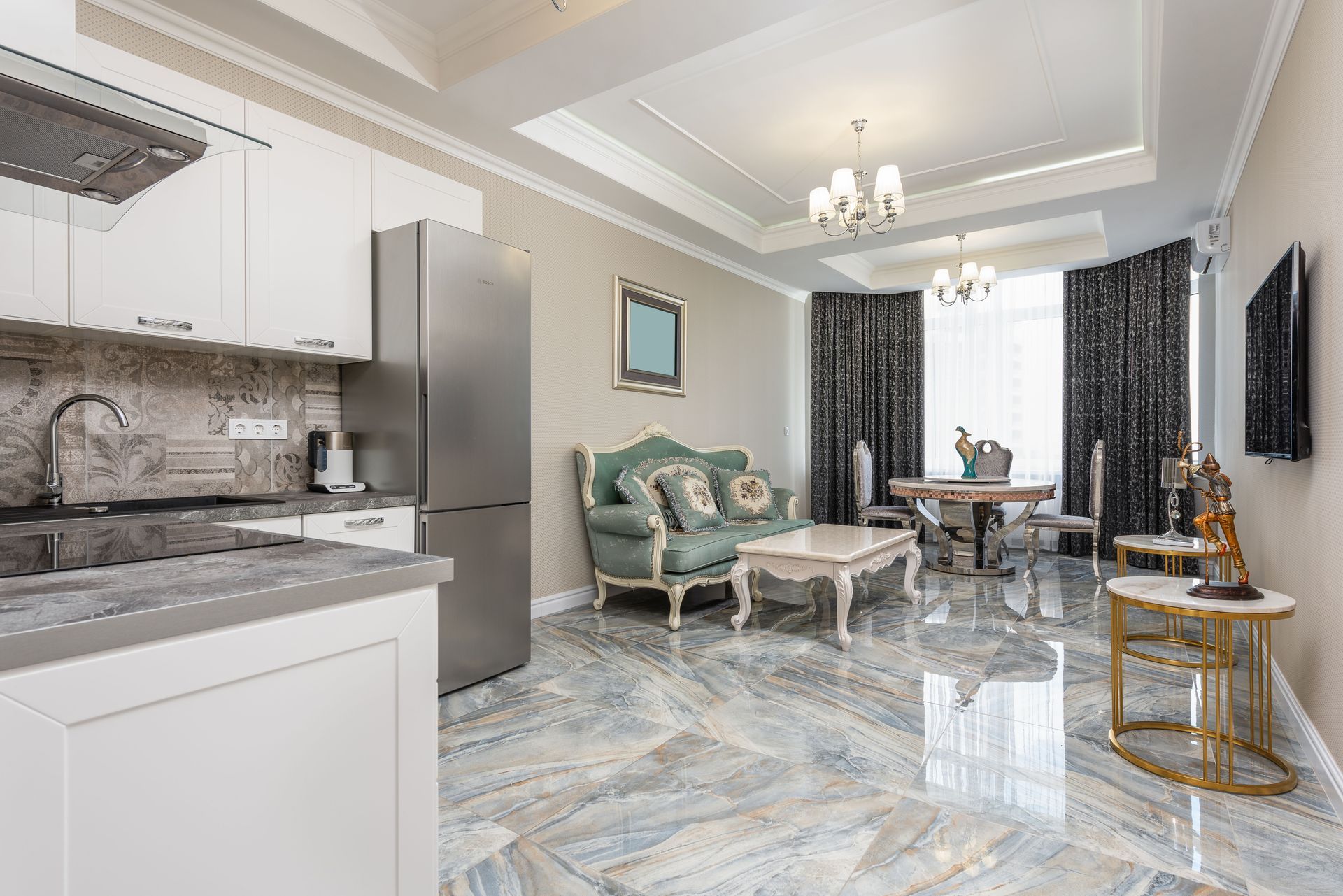
Modern porcelain tile is available in nearly every design imaginable, including realistic marble, wood, concrete, limestone, slate, and terrazzo looks. Because manufacturing technology has advanced significantly, many homeowners find it difficult to distinguish porcelain from natural stone.
Ceramic Tile
Ceramic tile also offers an extensive selection of colors, textures, patterns, and decorative finishes. It is especially popular for accent walls, backsplashes, shower surrounds, and traditional subway tile installations.
Water Resistance
Porcelain Tile
Because porcelain is denser and less porous, it performs exceptionally well in wet environments. It is commonly recommended for shower walls, shower floors, bathroom floors, and other moisture-prone areas.
Ceramic Tile
Ceramic tile also performs well in bathrooms when properly installed. It is an excellent choice for bathroom walls and many floor applications, although porcelain is often preferred for areas exposed to frequent standing water.
Durability
Porcelain Tile
Porcelain is one of the most durable flooring materials available. It resists scratches, moisture, stains, and everyday wear, making it ideal for busy family bathrooms.
Ceramic Tile
Ceramic tile is also durable and performs well under normal residential use. While it may be slightly more susceptible to chipping from heavy impacts, it remains a dependable choice for many bathroom applications.
Installation
Porcelain Tile
Because porcelain is extremely dense, it requires specialized cutting equipment and more installation time. Professional installation is strongly recommended to achieve clean cuts, proper waterproofing, and long-lasting results.
Ceramic Tile
Ceramic tile is generally easier to cut and install, which may reduce labor time. It remains a popular option for projects where budget is an important consideration.
Maintenance
Porcelain Tile
Routine cleaning with manufacturer-approved products is typically all that's required. Porcelain's dense surface resists staining and moisture, making it one of the easiest bathroom flooring materials to maintain.
Ceramic Tile
Ceramic tile also requires very little maintenance. Regular cleaning and periodic inspection of grout and caulking help keep the installation looking its best for many years.
Which Tile Fits Your Lifestyle?
Choose Porcelain Tile If You:
✔ Want maximum durability
✔ Have a busy household
✔ Prefer low maintenance
✔ Are remodeling a primary bathroom
✔ Want large-format tile
✔ Want premium long-term performance
✔ Need excellent moisture resistance
Choose Ceramic Tile If You:
✔ Have a more modest budget
✔ Are remodeling a guest bathroom
✔ Want attractive wall tile
✔ Prefer traditional subway tile
✔ Need decorative accent tile
✔ Want excellent value
✔ Are updating a powder room
Final Thoughts
Both porcelain and ceramic tile are excellent choices for bathroom remodeling. If your priorities are long-term durability, superior moisture resistance, and premium performance, porcelain tile is often the best investment. If you're looking for beautiful design options, dependable performance, and outstanding value, ceramic tile may be the perfect fit.
Frequently Asked Questions
1. Which tile lasts longer?
Both materials can last for decades when professionally installed. However, porcelain's higher density generally provides greater resistance to moisture, scratches, and everyday wear, making it a preferred choice for high-use bathrooms.
2. Which tile is easier to maintain?
Both porcelain and ceramic tile are relatively easy to maintain. Porcelain's lower porosity gives it a slight advantage in resisting moisture and staining, particularly in showers and heavily used bathrooms.
3. Which tile costs more?
Porcelain tile typically costs more than ceramic tile because of its manufacturing process and enhanced performance characteristics. Installation costs may also be slightly higher because porcelain is denser and requires specialized cutting equipment.
4. Which tile is better for shower walls and floors?
Porcelain tile is commonly recommended for both shower walls and shower floors because of its exceptional durability and water resistance. Ceramic tile is also suitable for many shower wall applications, but porcelain is often preferred for shower floors and other areas exposed to frequent moisture.