Chicago Bathroom Remodeling Pros - Services - Energy-Efficient Bathrooms
Bathroom Remodeling Pros Serving Chicago, IL Neighborhoods
Energy-Efficient Bathrooms
Energy-efficient bathroom remodeling focuses on reducing unnecessary water and electricity consumption while maintaining comfort, functionality, and design quality. Homeowners may choose efficient fixtures, LED lighting, improved ventilation controls, and other systems that can influence operating costs, maintenance, comfort, and resource consumption over the life of the bathroom. Actual savings depend on household usage, fixture performance, utility rates, operating habits, and the existing systems being replaced. Remodeling also provides an opportunity to address outdated plumbing and electrical components that may limit efficiency or performance.
Water Efficiency
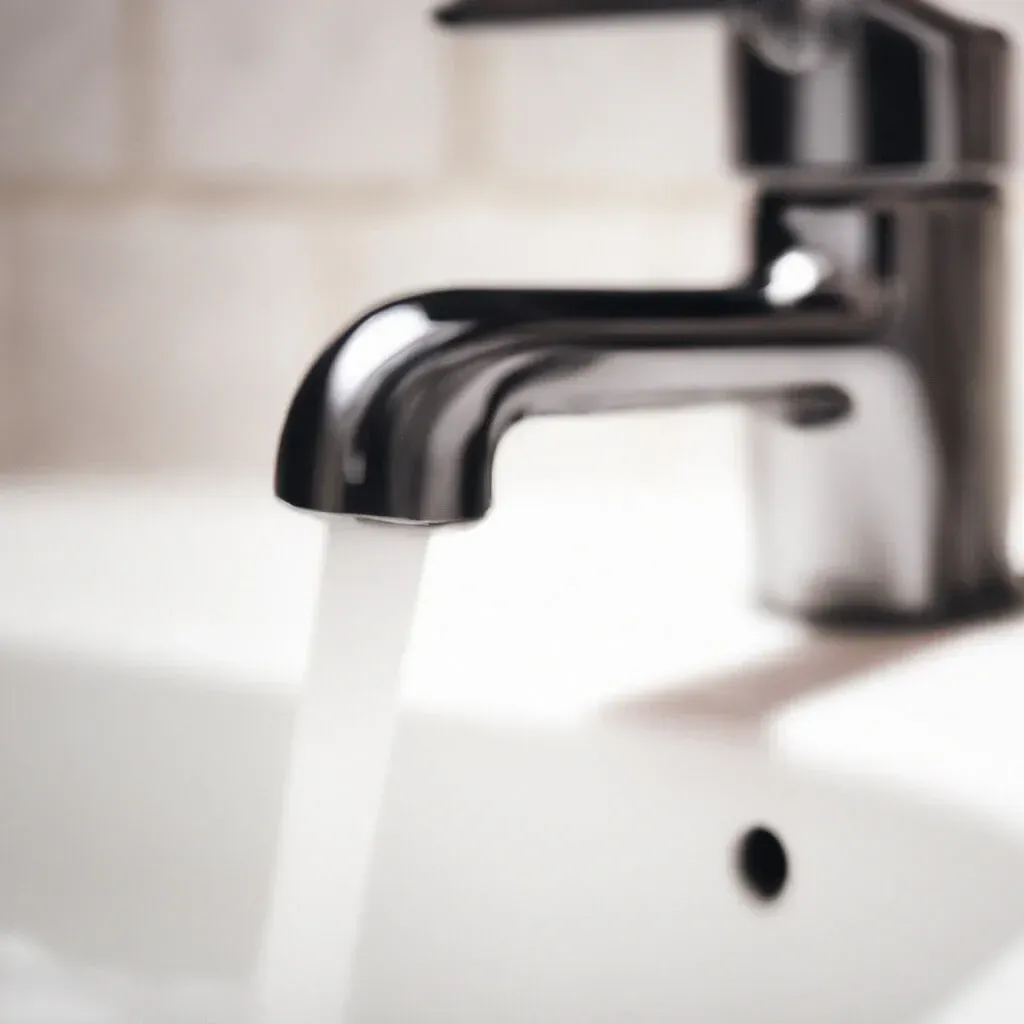
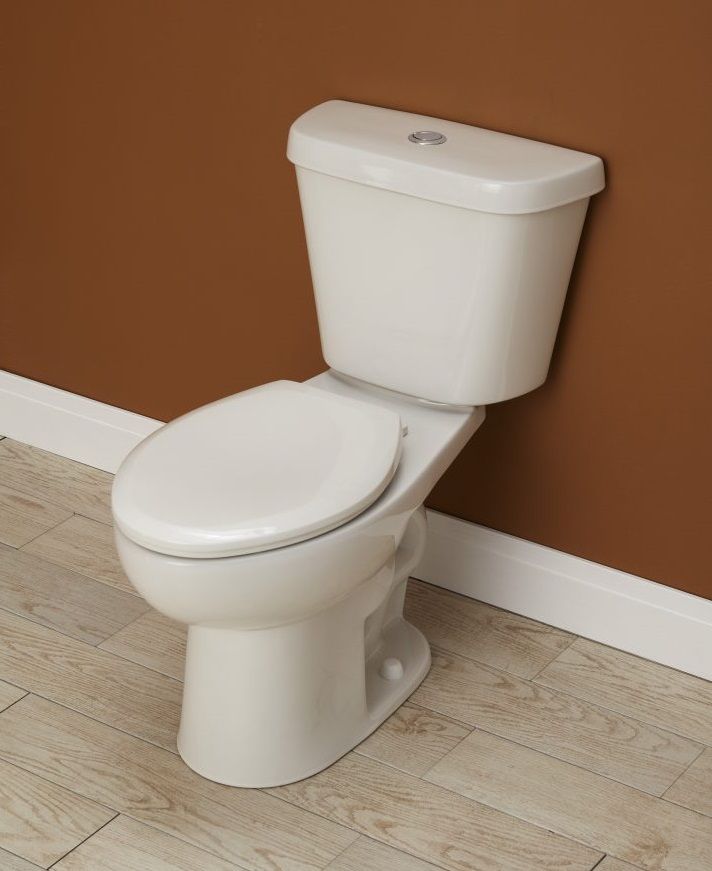
Water efficiency can include low-flow showerheads and faucets, high-efficiency toilets, dual-flush toilets, and appropriately sized fixtures. These options can reduce water use while maintaining practical performance. Homeowners should consider flow rates, flushing performance, household needs, maintenance requirements, and compatibility with existing plumbing when selecting fixtures.
Electrical Efficiency
Electrical efficiency can include LED lighting, occupancy or vacancy sensors, timers, efficient exhaust fans, programmable thermostats, and controlled heated flooring. These features can reduce unnecessary electricity use when properly selected and operated. Existing wiring and electrical capacity should be evaluated, particularly in older homes, before adding new equipment or dedicated circuits.
Energy Efficiency in Chicago Residence Bathrooms
Energy efficiency in a bathroom involves using water and electricity more effectively while maintaining comfort, performance, safety, and convenience. During a Chicago bathroom remodel, homeowners can evaluate existing plumbing, electrical systems, lighting, fixtures, ventilation, and heating to identify opportunities to reduce unnecessary resource consumption. The goal is not simply to install efficient products, but to select systems that are appropriate for the bathroom, household usage, and existing infrastructure.
Water-efficiency improvements can include high-efficiency or dual-flush toilets, low-flow faucets and showerheads, efficient fixtures, and properly functioning plumbing. Electrical-efficiency improvements may include LED lighting, occupancy sensors, timers, efficient exhaust fans, programmable controls, and appropriately managed heated flooring. Insulation, ventilation, and equipment selection can also influence overall bathroom performance.
In older Chicago homes, energy-efficiency improvements may require addressing aging plumbing, outdated wiring, inadequate electrical capacity, or inefficient ventilation before new equipment is installed. Homeowners should consider
operating costs, maintenance, comfort, durability, and resource consumption when making selections. Actual savings will depend on usage patterns, utility rates, equipment specifications, and the systems being replaced.
Benefits of an Energy-Efficient Bathroom
An energy-efficient bathroom can provide more thoughtful water and electricity use, improved comfort, easier maintenance, and modern functionality. Water-efficient toilets, faucets, and showerheads can reduce unnecessary water consumption, while LED lighting and efficient ventilation can help manage electricity use. Programmable controls, occupancy sensors, and heated-floor thermostats provide greater control over system operation.
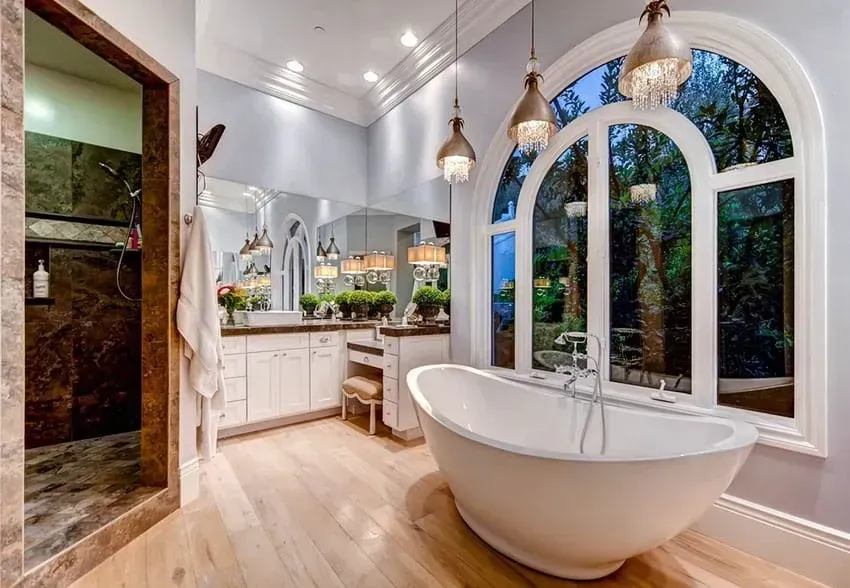
Upgrading outdated plumbing, electrical components, lighting, or ventilation during remodeling can also improve reliability and performance. Homeowners can select efficient products without sacrificing design, with options available for historic, traditional, contemporary, and luxury bathrooms. Actual savings depend on household usage, utility rates, equipment specifications, and existing systems.
Bathroom Energy-Efficiency Features, Options and Materials
Energy-efficient bathroom remodeling can incorporate water-saving fixtures, efficient lighting, ventilation controls, heated-floor controls, and other systems designed to reduce unnecessary resource consumption while maintaining comfort and performance. Homeowners can select improvements based on bathroom size, household usage, existing plumbing and electrical infrastructure, maintenance preferences, and design goals.
Water-Efficient Fixtures
Water efficiency can include low-flow showerheads, efficient faucets, high-efficiency toilets, and dual-flush toilets. Homeowners can select fixtures based on flow rates, flushing performance, comfort, appearance, and compatibility with existing plumbing. Efficient fixtures can be coordinated with modern, traditional, luxury, or historic-inspired bathroom designs.
Efficient Lighting
Replacing older lighting with LED fixtures can provide efficient illumination with a variety of color temperatures, brightness levels, and fixture styles. Homeowners can customize recessed lighting, vanity lighting, sconces, mirrors, shower lighting, dimmers, occupancy sensors, and timers to provide illumination where needed while helping avoid unnecessary operation.
Ventilation and Controls
Efficient bathroom ventilation can include appropriately sized exhaust fans, quiet motors, humidity sensors, timers, and programmable controls. Proper ventilation helps manage moisture and humidity while controls can limit unnecessary operation. Fan selection should consider bathroom size, ductwork, building conditions, and existing ventilation requirements.
Heated Floors and Controls
Heated bathroom floors can add comfort beneath compatible tile or stone. Electric radiant systems are commonly used for individual bathrooms, while hydronic systems may be appropriate where compatible infrastructure exists. Programmable thermostats and scheduling controls allow homeowners to manage operating periods and temperature according to personal preferences.
What Can Be Customized or Included?
Homeowners can customize fixture flow rates, toilet configurations, lighting types, controls, exhaust-fan features, heated-floor systems, thermostats, sensors, switches, and electrical layouts. Energy-efficient improvements can also be coordinated with vanities, mirrors, plumbing fixtures, tile, accessibility features, and overall bathroom design. Actual energy or water savings depend on usage, utility rates, equipment specifications, and the systems being replaced.
Problems Solved by Creating an Energy-Efficient Bathroom
Creating an energy-efficient bathroom can address unnecessary water consumption, excessive electricity use, outdated fixtures, inefficient lighting, poor ventilation controls, and avoidable operating demands. Older toilets, faucets, showerheads, lighting systems, exhaust fans, and electrical components may not provide the efficiency or control available from modern products. Replacing or upgrading these systems can improve overall performance while maintaining comfort and functionality.
Energy-efficient remodeling can also address inconsistent lighting, excessive humidity, inefficient heating, and limited control over bathroom systems. LED lighting, occupancy sensors, efficient exhaust fans, programmable thermostats, and controlled heated flooring can help manage electricity use. Water-efficient fixtures can reduce unnecessary flow while maintaining practical performance.
For older Chicago homes, the remodeling process can also identify aging plumbing, outdated wiring, or insufficient electrical capacity that may limit modern efficiency improvements. The result is a bathroom designed to use resources more thoughtfully while improving comfort, maintenance, functionality, and long-term system performance.
Our Bathroom Energy-Efficiency Remodeling Process
Creating a more energy-efficient bathroom begins with evaluating the existing systems and identifying opportunities for improved water and electricity performance. The process should be coordinated with the overall remodeling plan.
1. Assess Existing Conditions: Plumbing, fixtures, electrical capacity, lighting, ventilation, heating, and existing equipment are evaluated. Older Chicago homes may require additional review of aging pipes, wiring, or insufficient electrical capacity.
2. Identify Efficiency Goals: The homeowner determines priorities such as reducing unnecessary water consumption, improving lighting efficiency, managing humidity, increasing comfort, or controlling heated flooring.
3. Select Efficient Products: Appropriate fixtures and systems are selected, including high-efficiency toilets, low-flow faucets and showerheads, LED lighting, efficient exhaust fans, occupancy sensors, timers, programmable thermostats, and heated-floor systems.
4. Complete Plumbing and Electrical Work: Existing fixtures are removed or modified, and new plumbing connections, electrical circuits, outlets, controls, and equipment are installed as required. Applicable permits are addressed before regulated work begins.
5. Install and Integrate Systems: New fixtures, lighting, ventilation equipment, controls, and heating systems are installed and coordinated with tile, cabinetry, mirrors, and other finishes.
6. Test and Adjust: Water flow, flushing, lighting, ventilation, controls, electrical systems, and heated flooring are tested. Final adjustments ensure the equipment operates properly and efficiently.
7. Complete Required Inspections: Where permits apply, required inspections are completed before finalizing walls, ceilings, and other finished surfaces.
Energy-Efficient Bathroom FAQs
1. How much does it cost to make a bathroom more energy-efficient?
Costs vary depending on the improvements selected. Replacing fixtures and lighting may require less investment, while electrical upgrades, heated flooring, ventilation modifications, or extensive plumbing work can increase project costs.
2. Do energy-efficient bathroom upgrades require permits?
Some improvements may require permits. Electrical circuits, wiring modifications, plumbing changes, mechanical work, or heated-floor systems may require permits and inspections depending on project scope and applicable Chicago requirements.
3. How long does an energy-efficient bathroom upgrade take?
Timelines depend on the scope of work. Simple fixture or lighting replacements can be relatively quick, while plumbing, electrical, ventilation, heated flooring, and permitting can extend the overall remodeling schedule.
4. Can an older Chicago bathroom be made energy-efficient?
Yes, in many cases. Older bathrooms can often incorporate efficient fixtures, LED lighting, improved ventilation, controls, and heated flooring after existing plumbing and electrical conditions are evaluated.
5. What energy-efficient improvements are easiest to add?
Fixtures and lighting are often straightforward improvements. High-efficiency toilets, low-flow faucets, efficient showerheads, LED lighting, occupancy sensors, timers, and efficient exhaust fans can often be incorporated without major layout changes.
6. Will energy-efficient upgrades reduce my utility costs?
They may, depending on usage and equipment. Actual savings depend on household habits, utility rates, fixture specifications, operating schedules, and the efficiency of the systems being replaced.