Chicago Bathroom Remodeling Pros - Services - Historic Bathrooms
Bathroom Remodeling Pros Serving Chicago, IL Neighborhoods
Historic Bathroom Remodeling
Historic Bathroom Remodeling in Chicago
Remodeling a historic bathroom requires a thoughtful balance between preservation and modernization. The objective is not necessarily to preserve everything or replace everything, but to protect the architectural character and craftsmanship that give the bathroom its identity while selectively upgrading outdated systems, damaged materials, and inefficient features.
The most important question for homeowners to ask their designer or remodeling team is: “What should I preserve, what can I modernize, and what should I replace?” Answering that question requires evaluating original tile, vintage fixtures, architectural details, proportions, plumbing, electrical systems, ventilation, waterproofing, and existing materials.
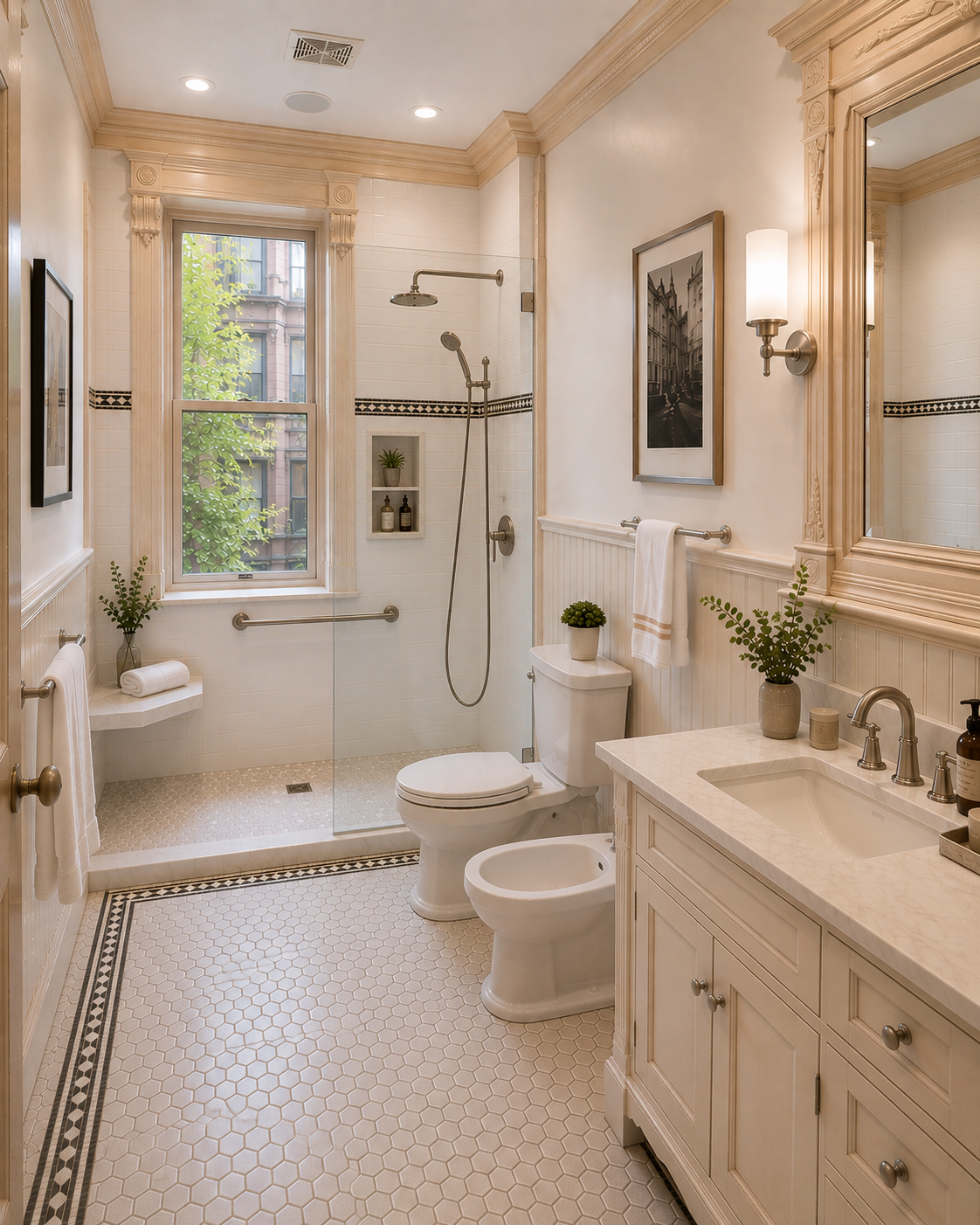
A successful historic bathroom remodel can retain meaningful character while incorporating modern performance, comfort, safety, accessibility, storage, and functionality. The finished bathroom should feel appropriate to the home while providing the reliability and usability expected from a thoughtfully remodeled space. The homeowner faces the greatest number of questions in this type of bathroom remodeling over all of the other.
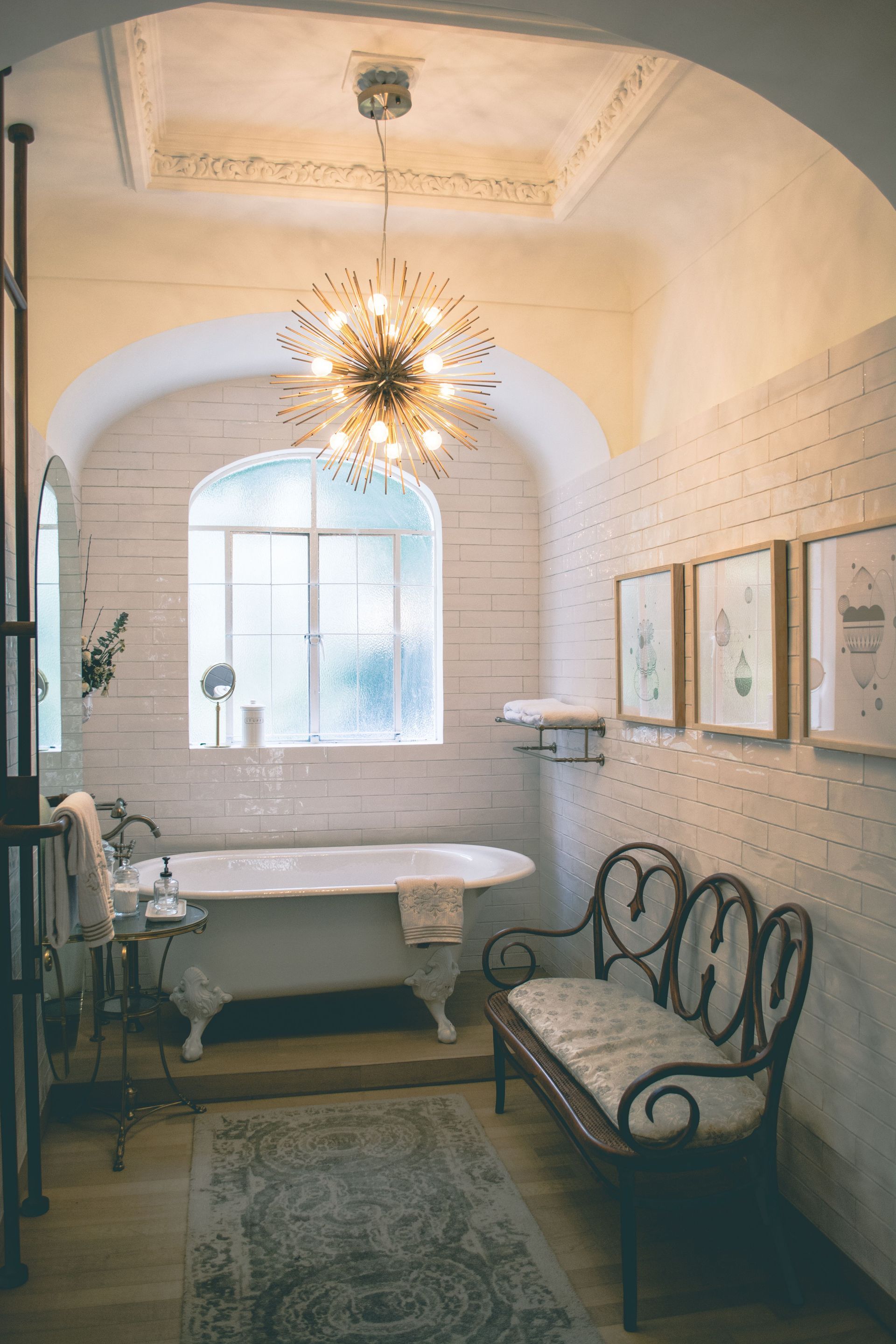
Preservation vs. Modernization
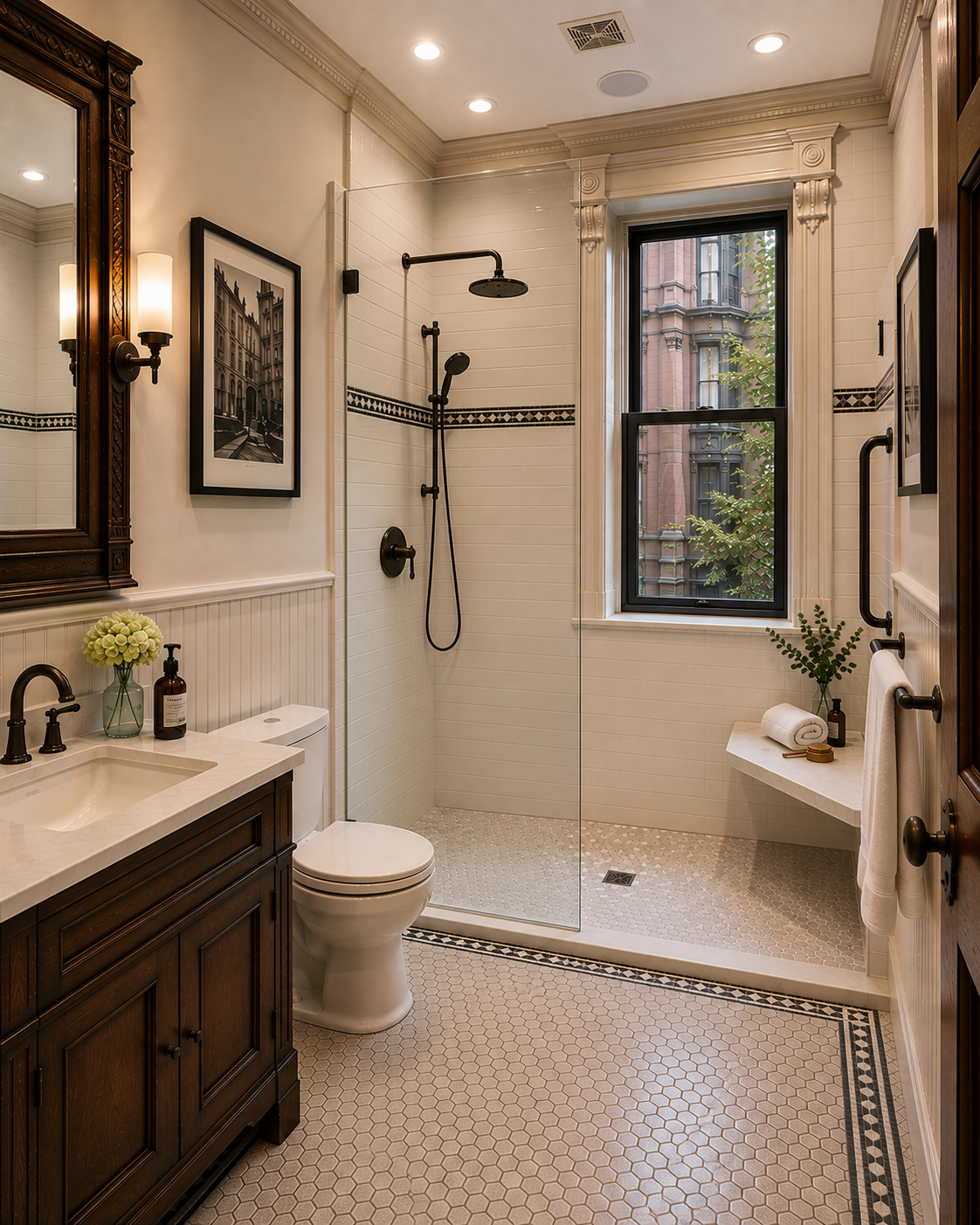
Historic bathroom remodeling requires balancing what gives the space its character with what needs to perform like a modern bathroom. Preservation focuses on retaining meaningful tile, fixtures, architectural details, proportions, and craftsmanship.
Modernization addresses outdated plumbing, electrical systems, waterproofing, ventilation, accessibility, storage, and efficiency. The goal is not to preserve everything or replace everything, but to determine which elements deserve protection, which can be upgraded, and which no longer make practical sense to retain.
Preservation
Preservation identifies the architectural elements worth retaining and protects their materials, proportions, detailing, craftsmanship, and historical character during remodeling, while allowing necessary improvements to be thoughtfully integrated around them.
Original Tile
Original tile can contribute significantly to a historic bathroom’s character and should be evaluated for condition, historical significance, repairability, availability of matching materials, and potential preservation before removal or replacement is considered.
Vintage Fixtures
Vintage fixtures can provide authentic historic character and may be restored, reused, or carefully supplemented with compatible modern components. Their condition, functionality, craftsmanship, and relationship to the bathroom’s design should be evaluated before replacement is considered.
Architectural Details
Architectural details such as moldings, trim, doors, windows, built-ins, hardware, and decorative elements can reinforce a historic bathroom’s identity. Preserving these features can help maintain the original character, proportions, craftsmanship, and connection to the surrounding residence.
Historic Proportions
Maintaining historic proportions, fixture relationships, tile heights, alignments, and visual scale can help preserve an older bathroom’s architectural character. Thoughtful remodeling respects these relationships while introducing modern functionality, comfort, storage, and performance where appropriate.
Existing Materials
Existing materials should be evaluated individually rather than automatically discarded. Tile, cabinetry, fixtures, hardware, trim, and other components may have craftsmanship or historical significance that makes restoration, repair, or careful integration preferable to replacement during remodeling.
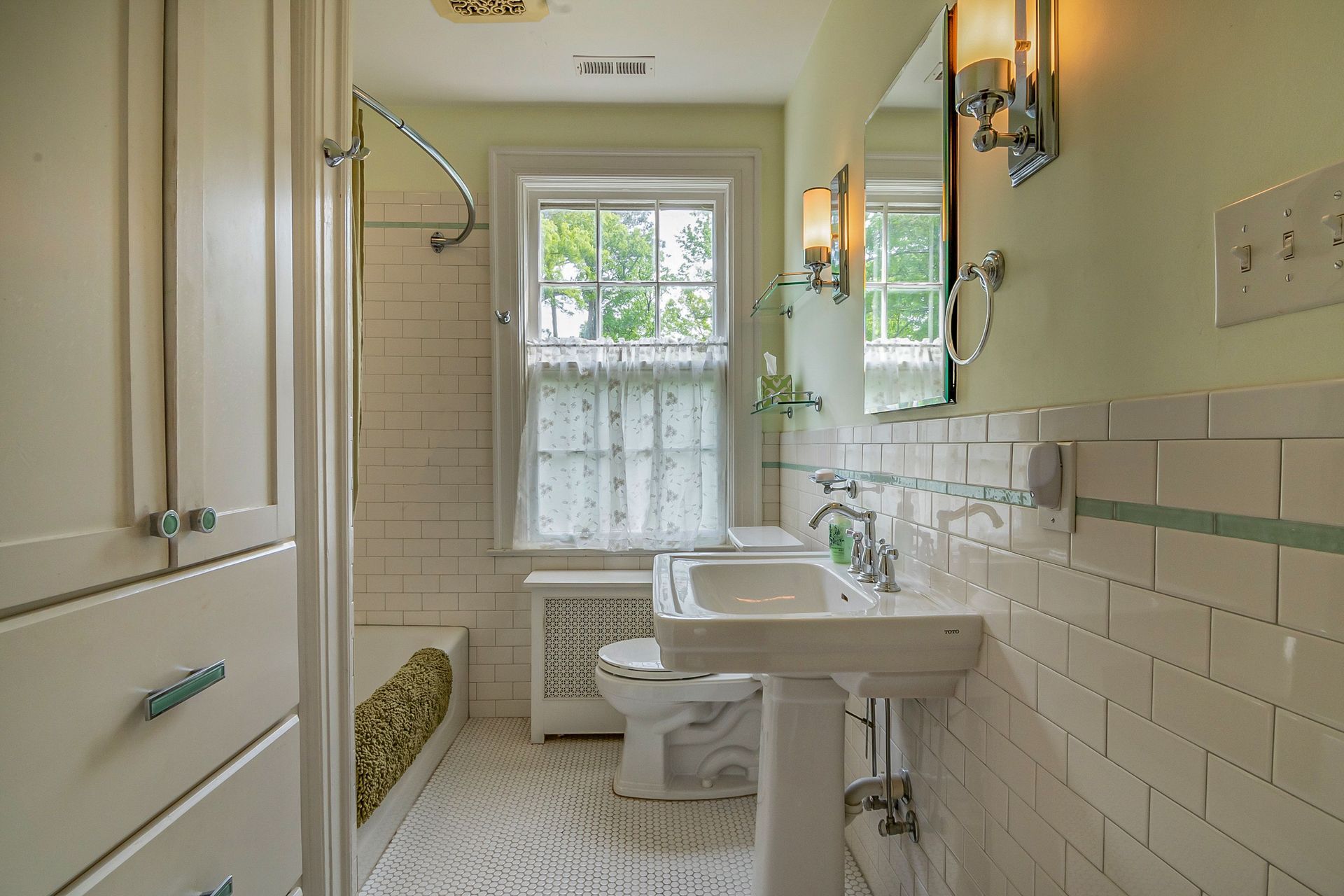
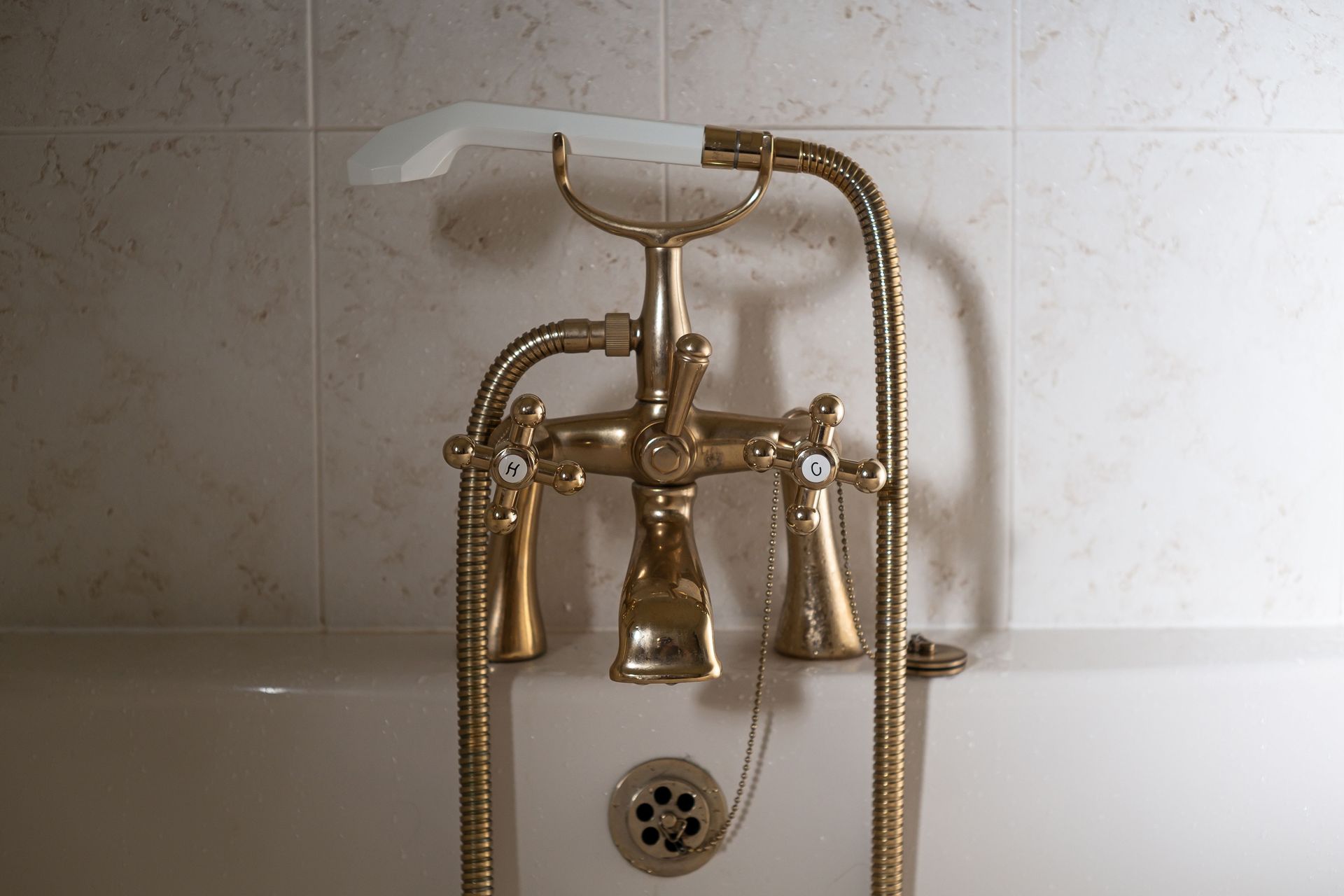
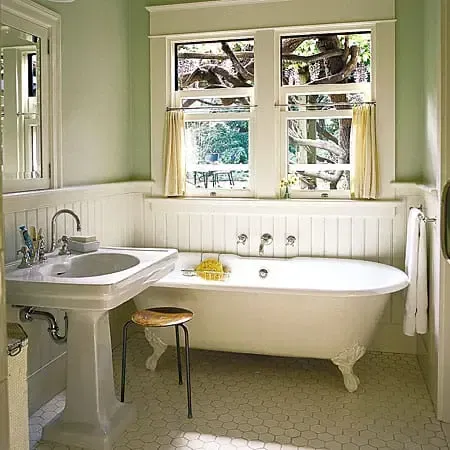
Modernization
Modernization updates a historic bathroom’s performance, safety, comfort, efficiency, and functionality while thoughtfully preserving important architectural characteristics, allowing modern systems and features to support the space without unnecessarily compromising its historic identity.
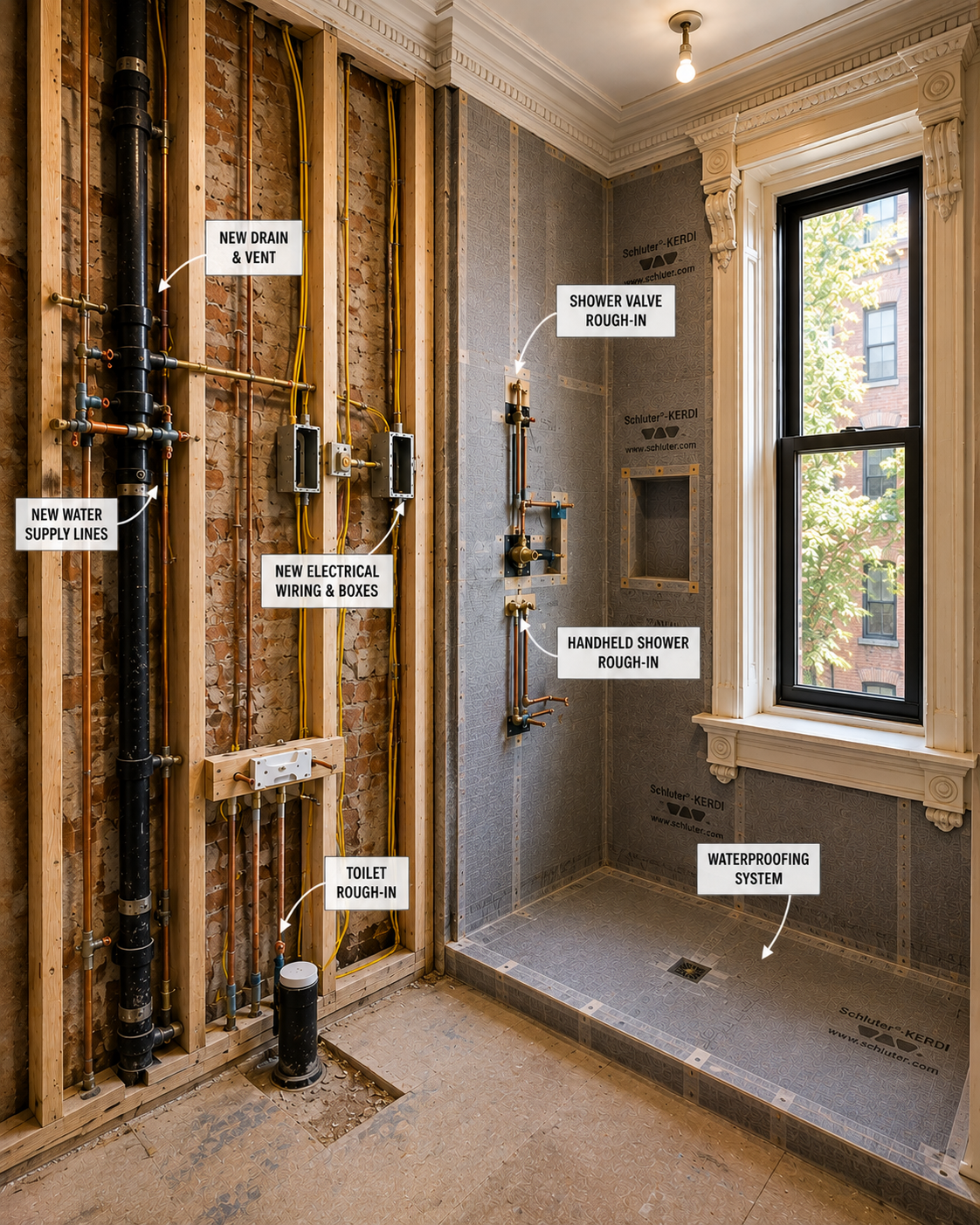
Plumbing
Aging supply pipes, drains, valves, and fixture connections should be evaluated for condition, reliability, and performance. Where replacement is warranted, modern plumbing can be integrated thoughtfully while preserving visible historic fixtures, layouts, and architectural character where practical.
Electrical
Outdated wiring, insufficient electrical capacity, inadequate outlets, and poor lighting can be upgraded while respecting historic construction. Modern circuits, GFCI protection, controls, and improved fixtures can enhance safety and functionality without unnecessarily altering visible architectural character.
Waterproofing
Modern waterproofing can provide essential moisture protection beneath new or restored tile while remaining concealed from view. Properly selected systems can protect underlying construction without requiring historically inappropriate visible finishes or compromising the bathroom’s architectural character.
Ventilation
Improved exhaust ventilation can help manage humidity and moisture in a historic bathroom while respecting existing building conditions. Fan selection, duct routing, controls, and installation should be coordinated with architectural details and available mechanical infrastructure.
Accessibility
Accessibility improvements can be integrated discreetly into historic bathrooms through grab bars, handheld showers, improved lighting, low-threshold showers, seating, and accessible controls. Thoughtful placement can improve safety and usability while respecting the bathroom’s established architectural character.
Energy Efficiency
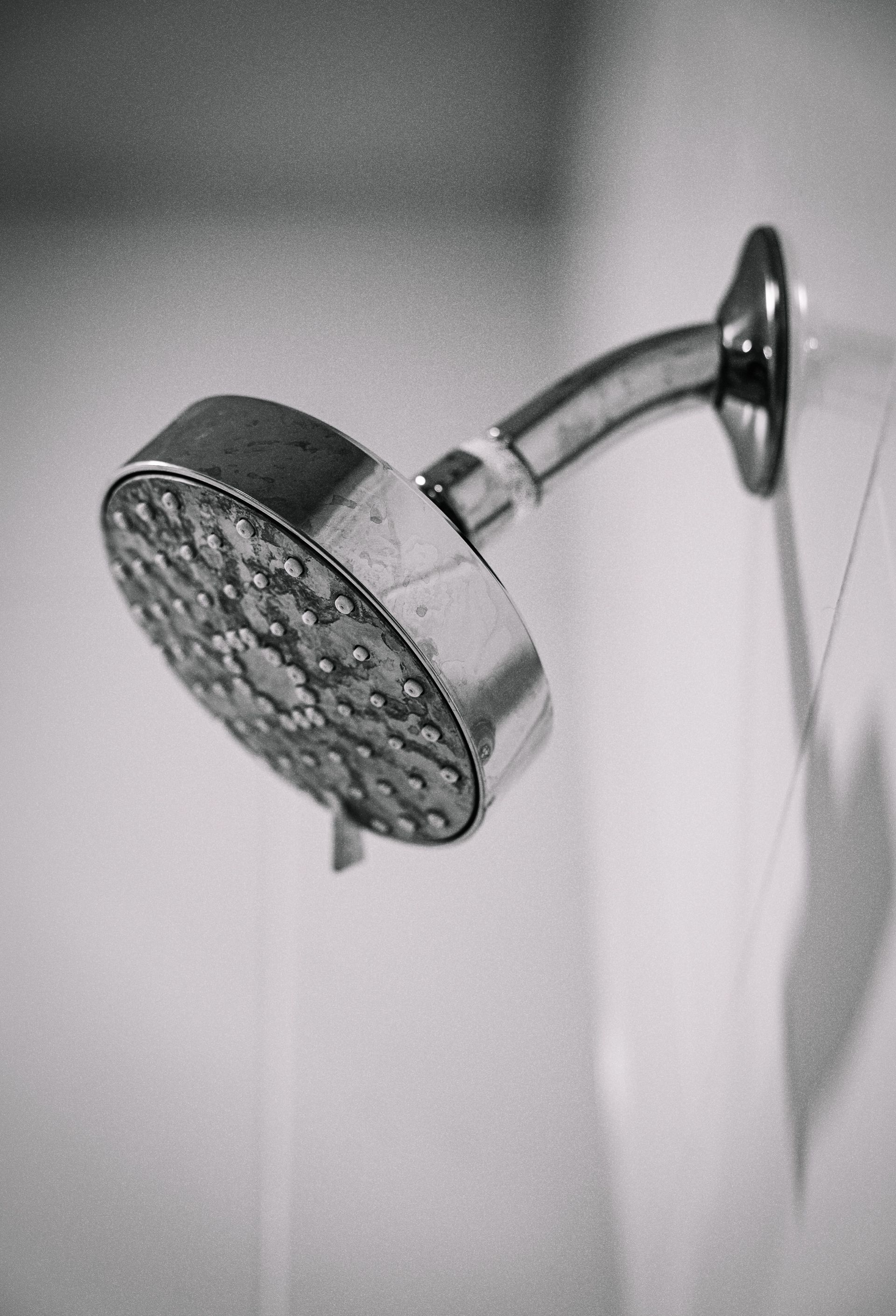
Energy-efficient toilets, faucets, showerheads, LED lighting, ventilation controls, and heating systems can improve bathroom performance while remaining largely concealed or visually compatible with the room’s historic appearance.
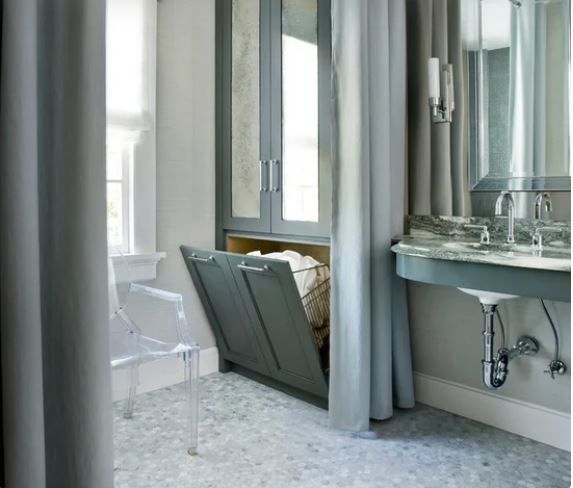
Storage
Modern storage can be integrated through custom vanities, recessed medicine cabinets, built-ins, niches, and linen storage, improving organization while maintaining appropriate proportions, materials, and historic character.
Design Approaches
Historic bathroom design can follow restoration, sympathetic modernization, transitional, or contemporary approaches, allowing homeowners to determine how closely the remodeled space should reflect its original character while incorporating desired modern functionality and comfort.
Restoration
Restoration seeks to return a historic bathroom toward an earlier appearance through period-appropriate materials, fixtures, proportions, colors, tile patterns, hardware, and detailing, while carefully addressing necessary repairs and preserving significant original character wherever practical.
Preservation with Modern Infrastructure
Preservation with modern infrastructure retains the bathroom’s visible historic character while upgrading concealed plumbing, electrical, waterproofing, and ventilation systems. This approach allows homeowners to maintain original or period-appropriate finishes while improving reliability, safety, moisture protection, comfort, and functionality.
Period-Inspired
A period-inspired bathroom uses new materials, fixtures, colors, and detailing that reflect the home’s era without requiring every component to be original, allowing homeowners to achieve historical character while incorporating modern performance and convenience.
Transitional
A transitional approach combines traditional architectural details with contemporary fixtures, modern lighting, efficient storage, and updated materials. The result can respect a historic home’s character while introducing a more current, comfortable, and functional bathroom environment.
Contemporary Within a Historic Home
A contemporary bathroom can work within a historic residence when its
proportions, transitions, materials, architectural context, and relationship to surrounding spaces are thoughtfully considered, creating modern functionality without making the remodeled bathroom feel disconnected from the home.
What Should Be Preserved?
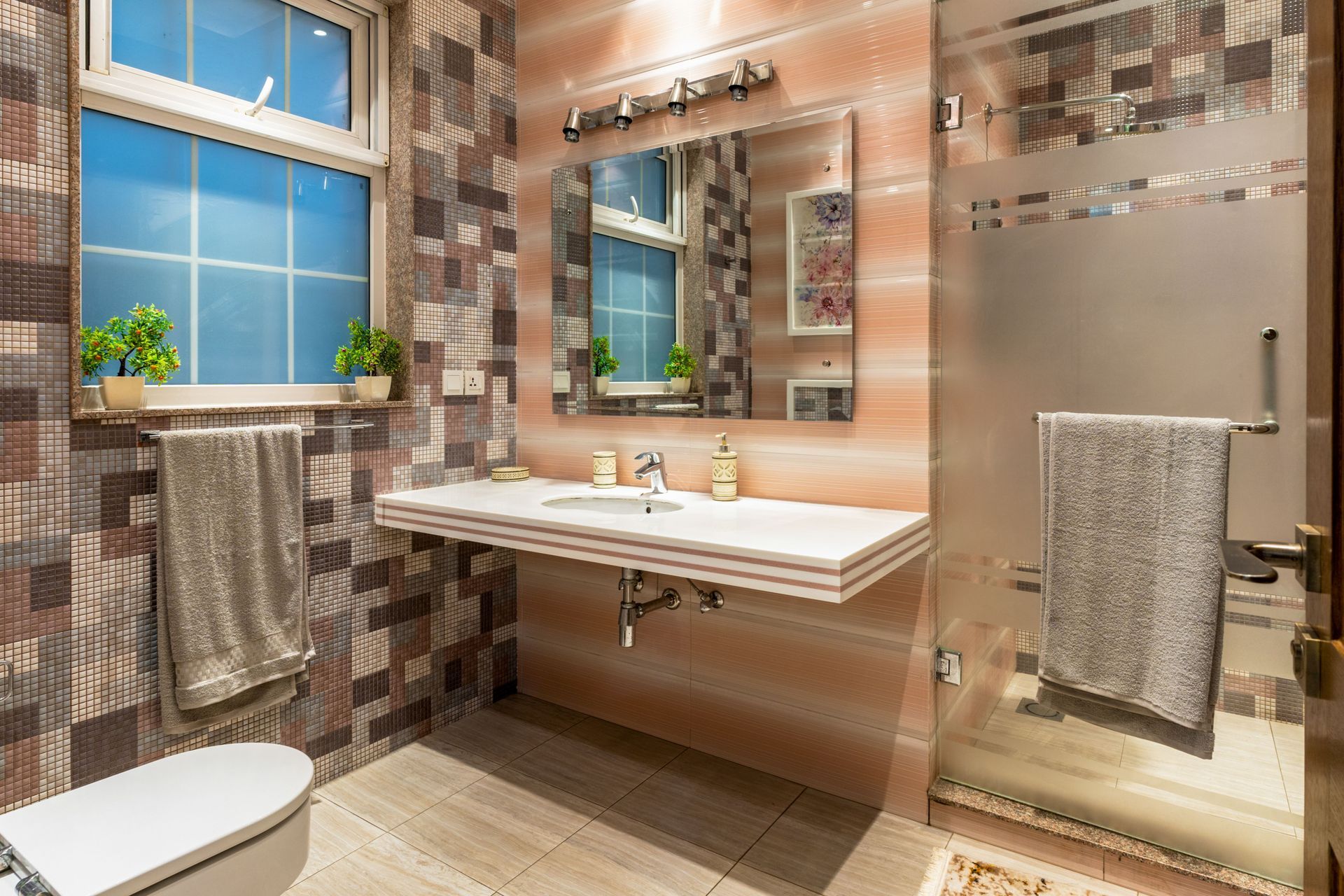
Preservation decisions should prioritize elements with meaningful architectural, historical, aesthetic, or craftsmanship value, rather than automatically preserving every existing component.
Original Architectural Features
Distinctive trim, doors, windows, moldings, built-ins, tile patterns, and other architectural features may deserve preservation when they contribute meaningful historical, aesthetic, or craftsmanship value to the bathroom and surrounding residence.
Quality Craftsmanship
Handmade or unusually well-crafted components can possess value beyond their age, reflecting craftsmanship that may be difficult to replicate. When condition permits, restoration or repair may be preferable to replacement, preserving both character and quality.
Distinctive Tile
Distinctive tile patterns, borders, mosaics, and period-specific installations can strongly define a historic bathroom’s character. When original tile remains in good condition or can be repaired, preserving these details may help retain the space’s architectural identity and craftsmanship.
Period Details
Period details such as hardware, fixtures, lighting styles, cabinetry profiles, colors, and decorative elements can communicate the era of the residence. Preserving or thoughtfully reproducing these characteristics can strengthen historical continuity throughout the remodeled bathroom.
Proportion and Character
Preserving proportions, alignment, scale, and visual relationships can retain historic character even when individual materials cannot be saved. Maintaining these underlying design relationships helps ensure modern replacements remain compatible with the bathroom’s architectural context.
What Can Be Modernized?
Modernization should prioritize concealed systems and performance improvements that make historic bathrooms safer, more functional, efficient, comfortable, and reliable.
Plumbing
Deteriorated supply and drain piping, valves, connections, and fixture infrastructure can be upgraded when existing systems no longer provide reliable performance, safety, or functionality.
Electrical
Wiring, outlets, lighting, GFCI protection, circuits, and electrical capacity can be upgraded to support contemporary bathroom safety, functionality, and technology requirements.
Waterproofing
New waterproofing systems can protect modern shower construction while remaining concealed beneath compatible tile and finished materials, improving moisture protection without altering the bathroom’s historic appearance.
Ventilation
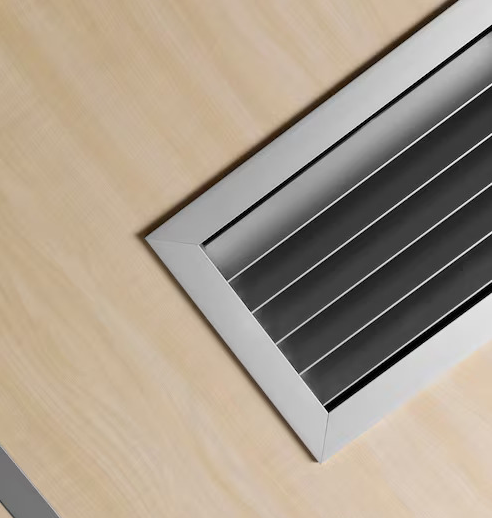
Exhaust fans, ductwork, controls, and ventilation systems can be upgraded to improve moisture management, air quality, comfort, and long-term bathroom performance while respecting existing building conditions.
Storage
Modern storage through medicine cabinets, custom vanities, linen storage, recessed niches, and built-ins can improve functionality while maintaining appropriate proportions, materials, detailing, and historic design character.
Accessibility
Accessibility improvements can often be integrated discreetly through grab bars, improved clearances, handheld fixtures, seating, lighting, and carefully selected shower configurations while respecting historic character.
What Should Be Replaced?
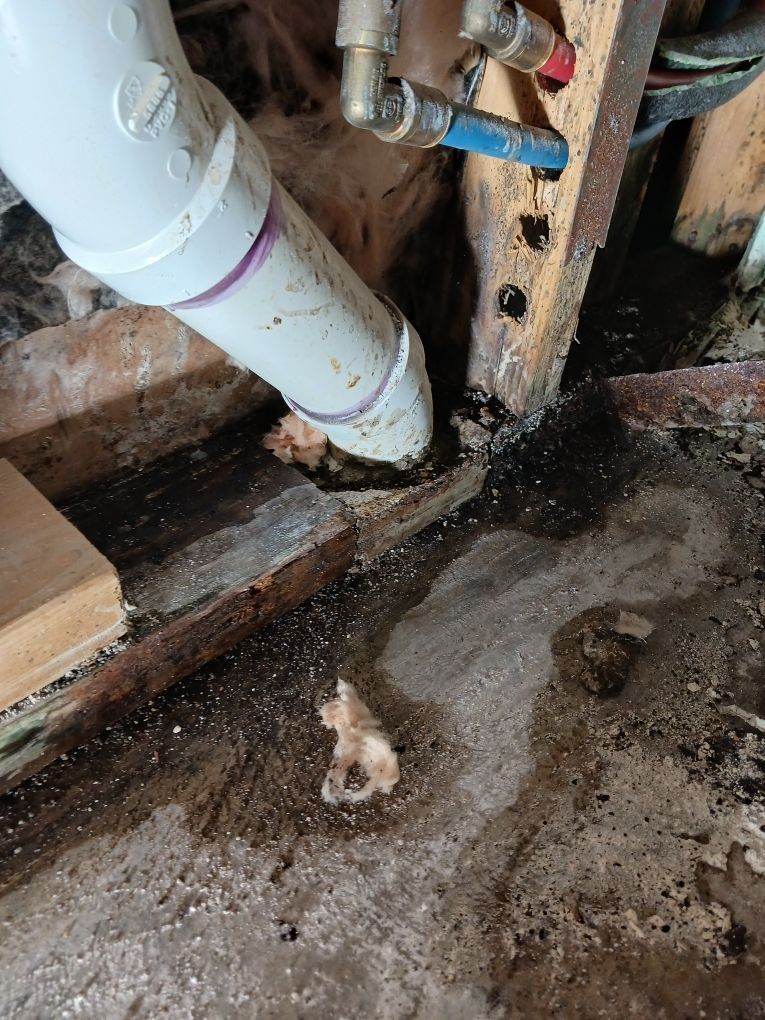
Replacement is appropriate when components are deteriorated, unsafe, incompatible, impractical to restore, or unable to support the desired bathroom’s functionality, performance, and safety requirements.
Failing Plumbing
Leaking, severely corroded, deteriorated, or unreliable plumbing may warrant replacement when continued repairs are unlikely to provide dependable, long-term performance or safety.
Unsafe Electrical Components
Outdated or unsafe electrical components should be evaluated and replaced where necessary to support current bathroom safety, electrical, lighting, and equipment requirements.
Failed Waterproofing
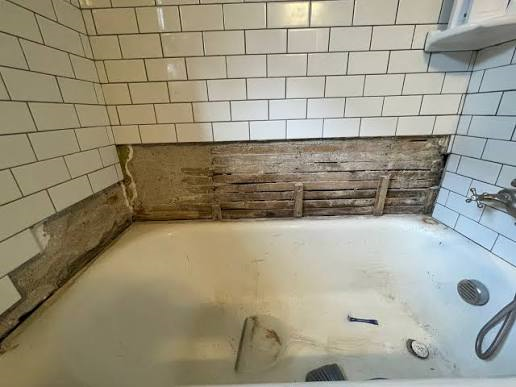
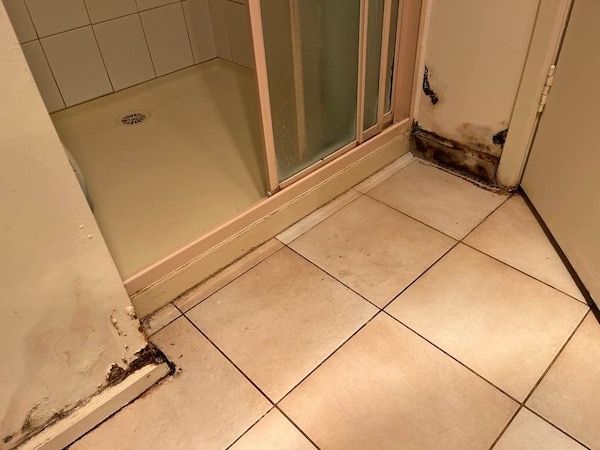
Failed or compromised shower waterproofing should be addressed before new tile or finished surfaces are installed, protecting underlying construction from continued moisture damage.
Damaged Substrates
Water-damaged, deteriorated, unstable, or unsuitable wall and floor substrates may require removal and replacement before new tile, flooring, or finished surfaces can be properly installed.
Nonfunctional Fixtures
Nonfunctional fixtures beyond practical repair or incompatible with the desired layout may be replaced with historically compatible or modern alternatives that improve performance, usability, and design continuity.
Incompatible Previous Renovations
Poorly executed additions or alterations that conflict with historic character or create functional problems may warrant removal and replacement during thoughtful bathroom remodeling.
The Preservation–Modernization Balance - Final Thoughts
Key concept: Historic bathroom remodeling is not about preserving everything or replacing everything; it is about making informed decisions about each element.
The first question should be whether an existing feature contributes meaningful character. If it does, preservation or restoration may be appropriate. The next question is whether the feature can continue to perform its intended function safely and reliably.
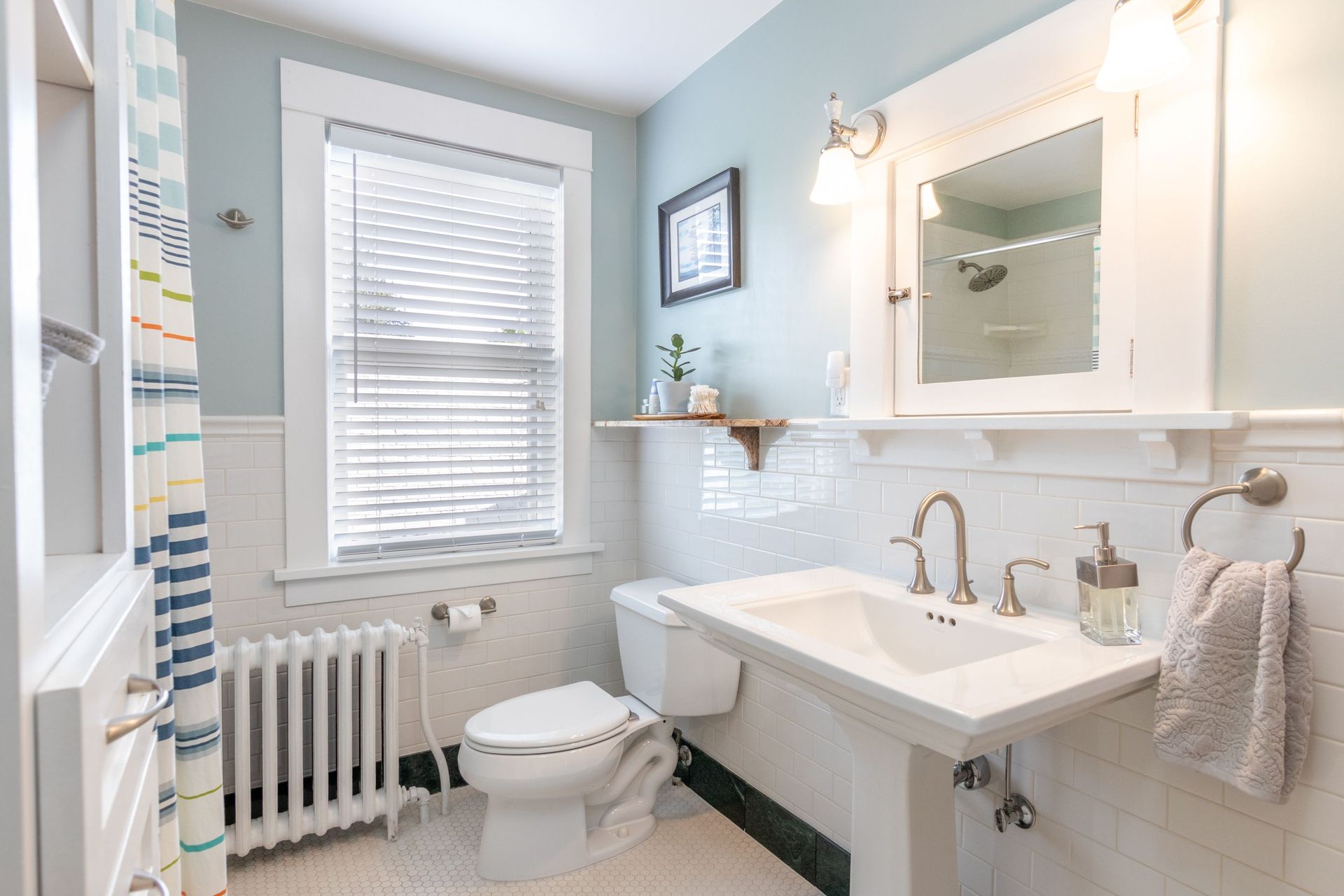
A vintage sink, for example, might be worth preserving if it is structurally sound and can be restored. An obsolete plumbing system hidden behind the wall is a different matter. The homeowner may preserve the visible fixture while modernizing the concealed plumbing.
The same principle can apply to tile. Original tile may be worth preserving if it is distinctive and reasonably intact. If it is extensively damaged or the waterproofing beneath it has failed, replacement may be more practical. New tile can still respect the historic character through appropriate scale, pattern, color, and installation.
Historic remodeling therefore involves three decisions: What should be preserved? What can be modernized? What should be replaced? Those decisions should be based on significance, condition, performance, feasibility, safety, budget, and the homeowner’s goals rather than simply the age of the material.
Historic Bathroom Remodeling FAQs
1. Should everything in a historic bathroom be preserved?
No, not everything needs to be preserved. Elements with meaningful architectural, historical, aesthetic, or craftsmanship value may deserve protection, while deteriorated, unsafe, or incompatible components can often be modernized or replaced.
2. How do I know what should be preserved?
Evaluate each existing element individually. Original tile, vintage fixtures, moldings, doors, windows, cabinetry, hardware, proportions, and distinctive details should be considered based on condition, significance, repairability, craftsmanship, and contribution to the bathroom’s character.
3. Can I modernize a historic bathroom without losing its character?
Yes, modernization can be integrated thoughtfully. Plumbing, electrical, waterproofing, ventilation, storage, accessibility, and efficiency can often be improved while retaining significant visible materials, architectural details, proportions, and historically appropriate design elements.
4. Can original historic tile be saved?
Often, original tile can be preserved or repaired when its condition permits. Its significance, availability of matching materials, extent of damage, installation method, and practicality of repair should be evaluated before deciding whether removal and replacement are necessary.
5. Should old plumbing and electrical systems be replaced?
Not automatically, but outdated systems should be evaluated carefully. Deteriorated plumbing, unsafe wiring, inadequate electrical capacity, outdated connections, and other unreliable infrastructure may warrant replacement to improve safety, performance, and compatibility with modern bathroom requirements.
6. Can a historic bathroom include modern accessibility features?
Yes, accessibility can often be incorporated discreetly. Grab bars, handheld showers, seating, improved clearances, low-threshold showers, accessible controls, and better lighting can be integrated while maintaining appropriate proportions, materials, and architectural character.
7. Can I create a contemporary bathroom in a historic home?
Yes, a contemporary bathroom can work within a historic residence. The design should thoughtfully consider proportions, transitions, materials, architectural context, and surrounding spaces so the modern bathroom feels intentional rather than disconnected from the home.
8. What should be replaced in a historic bathroom?
Replace components when they are deteriorated, unsafe, incompatible, or impractical to restore. Failed waterproofing, damaged substrates, unreliable plumbing, unsafe electrical components, nonfunctional fixtures, and poorly executed previous renovations may require replacement to achieve a safe, functional bathroom.